
You know the hard part of Landfill Gas to Electricity vs. RNG is rarely the technology choice on its own. The real question is whether your site has enough stable gas, enough remaining landfill life and a realistic route to market to justify a long-term asset.
In the UK, renewable natural gas is usually called biomethane. Electricity generation can make sense where the gas header and grid connection already exist, while biomethane can create a more flexible product if your gas quality, pipeline route and commercial contract stack up.
The key distinction is that US schemes such as D3 RINs and California LCFS credits do not apply to a UK municipal landfill. This guide compares landfill gas electricity generation with grid injection, then sets out the commercial, technical and environmental checks that should drive your decision.
Key Takeaways – Landfill Gas to Electricity vs. RNG
- Electricity is often the practical choice for a landfill with an existing generator, a nearby electricity connection and a declining gas profile.
- Biomethane can preserve more of the landfill gas energy for use through the gas network, but it needs far tighter gas treatment, a viable pipeline connection and a buyer.
- UK landfill gas produced 2.9 TWh of electricity in 2024, so power generation remains an established route even as landfill gas volumes fall.
- Grid injection requires compliance with the Gas Safety (Management) Regulations, a Network Entry Agreement and gas quality accepted by the receiving network.
- The Green Gas Support Scheme supports new anaerobic digestion biomethane plants, not landfill gas projects. Do not build a landfill gas business case around that tariff.
- For transport fuel, eligible biomethane may access Renewable Transport Fuel Obligation certificates, but the supply chain, sustainability evidence and end use must qualify.
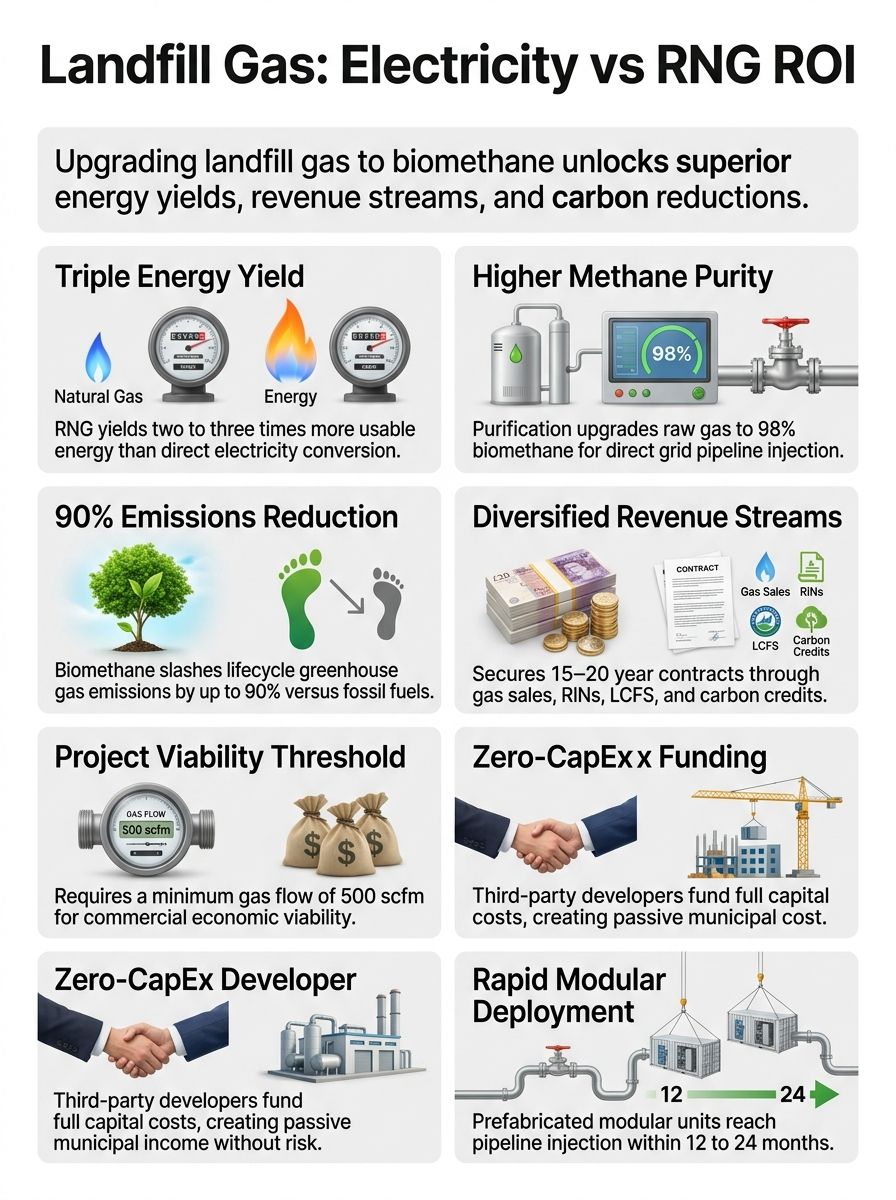
Overview of Landfill Gas Conversion Options
Landfill gas forms as biodegradable waste breaks down without oxygen. It contains methane, carbon dioxide, water vapour and trace contaminants, so every viable project starts with collection, control and treatment rather than with the end-use technology.
The Environment Agency requires permitted landfill operators to collect landfill gas, control emissions and use it for energy where possible. If energy recovery cannot take all available gas, you still need enough flare capacity or another approved treatment method to manage the balance.
Electricity Generation from Landfill Gas
Electricity generation sends conditioned landfill gas to a gas engine or turbine. The plant creates power for on-site demand, export to the distribution network, or both.
This route suits sites that already have a generating set, switchgear and an export agreement. It can avoid the cost and lead time of a new gas pipeline, although engine maintenance, gas conditioning and emissions controls remain material operating costs.
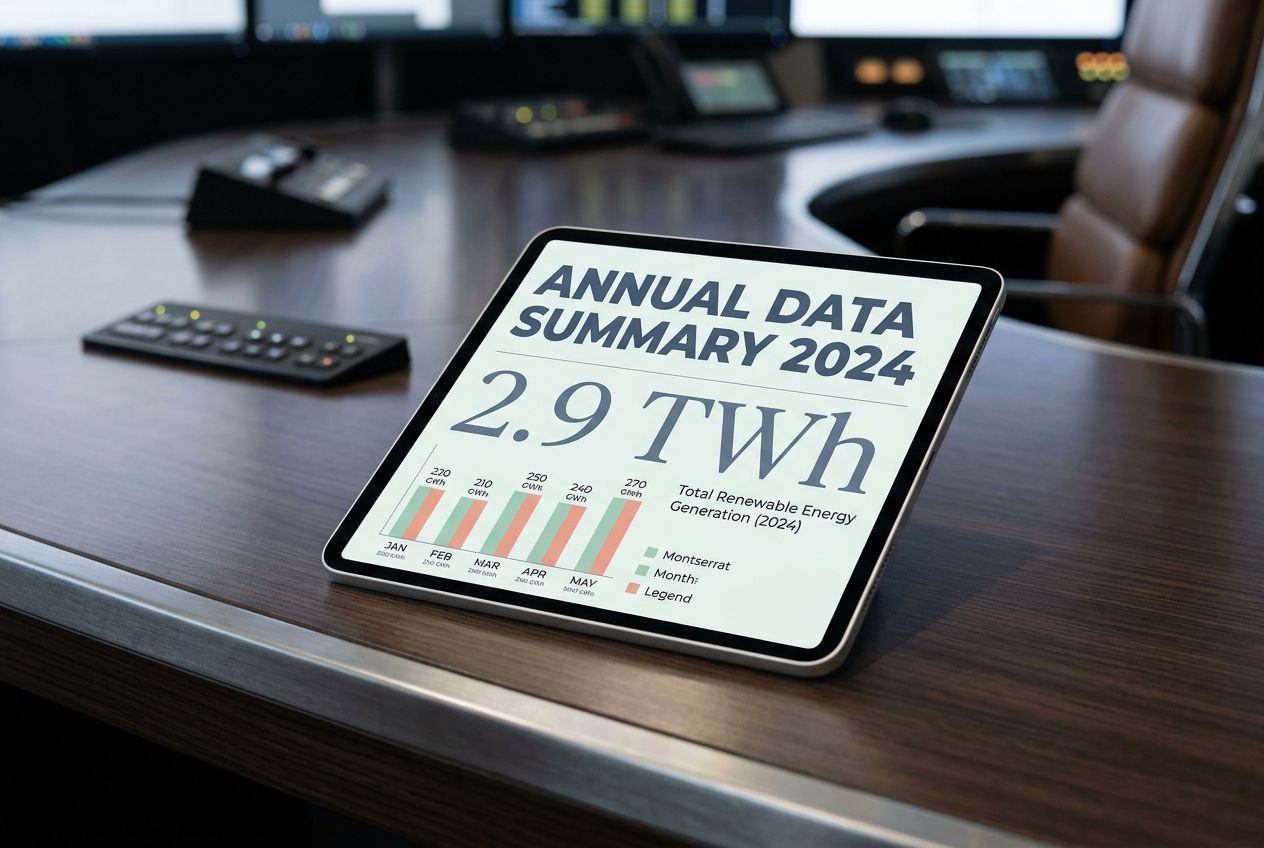
UK Energy in Brief recorded 2.9 TWh of electricity generation from landfill gas in 2024. That scale matters because it shows electricity remains a proven option for mature sites, especially where you can use power behind the meter and reduce purchased electricity.
- Choose on-site power first if pumps, leachate treatment, workshops or nearby operations use electricity throughout the day.
- Check export constraints early if you plan to sell to the grid, because a constrained local network can reduce export capacity or trigger upgrade costs.
- Protect engine availability by monitoring moisture, hydrogen sulphide, siloxanes and oxygen in the gas stream before they damage equipment.
- Keep a flare contingency because the Environment Agency expects sufficient capacity when the utilisation plant is offline.
Upgrading Landfill Gas to Renewable Natural Gas (RNG)
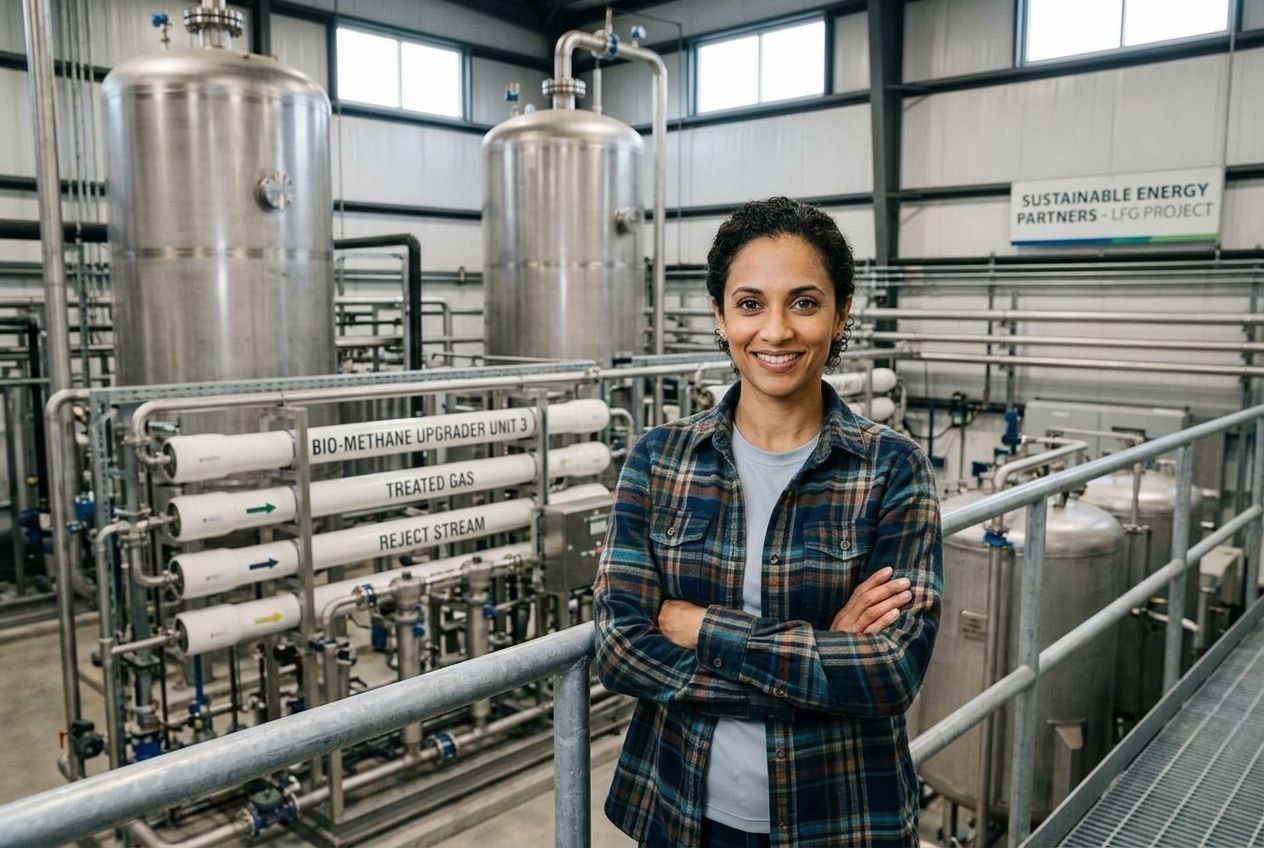
For UK projects, “renewable natural gas” generally means biomethane upgraded to a quality suitable for gas-grid injection or a defined end use.
Upgrading removes water, carbon dioxide and contaminants, then manages landfill-specific challenges such as nitrogen, oxygen, hydrogen sulphide and volatile compounds. The result is a gas that can enter natural gas distribution infrastructure or serve a dedicated compressed natural gas application.
Waga Energy’s WAGABOX® system combines membrane filtration and cryogenic distillation to upgrade landfill gas into biomethane. Its value lies in handling landfill gas with variable composition, which is often the technical barrier that makes a conventional upgrading route difficult.
Grid injection is not simply a question of methane percentage. The Environment Agency’s resource framework requires a Network Entry Agreement, an approved product standard, records proving compliance and gas quality acceptable to the receiving network.
The Gas Safety (Management) Regulations also set composition limits. Since April 2025, gas injected into a network operating at up to 38 barg may contain up to 1.0% molar oxygen, while higher-pressure networks have a 0.2% molar limit. That makes the selected entry point and pressure level a commercial issue as well as an engineering one.
ROI Comparison: Landfill Gas to Electricity vs. RNG
There is no honest universal answer to which route pays back faster. Your return depends on gas flow, gas quality, remaining landfill life, connection cost, operating risk and the contract you can secure before construction.
Use a whole-life model that includes the cost of maintaining the gas field, not just the new plant. A project can look attractive on day one and still fail to meet its return target if methane falls faster than forecast or air intrusion increases treatment costs.
Energy Yield Differences
Landfill Gas to Electricity vs. grid injection is often described as a simple energy-yield contest. In practice, electricity converts gas into a final energy product at the engine, while biomethane retains chemical energy for later use in heating, industry or transport.
Do not rely on a generic claim that biomethane always delivers two or three times more usable energy. Calculate delivered energy from your own gas analysis, projected methane recovery, upgrader parasitic load, compression demand, engine efficiency and any grid-export losses.
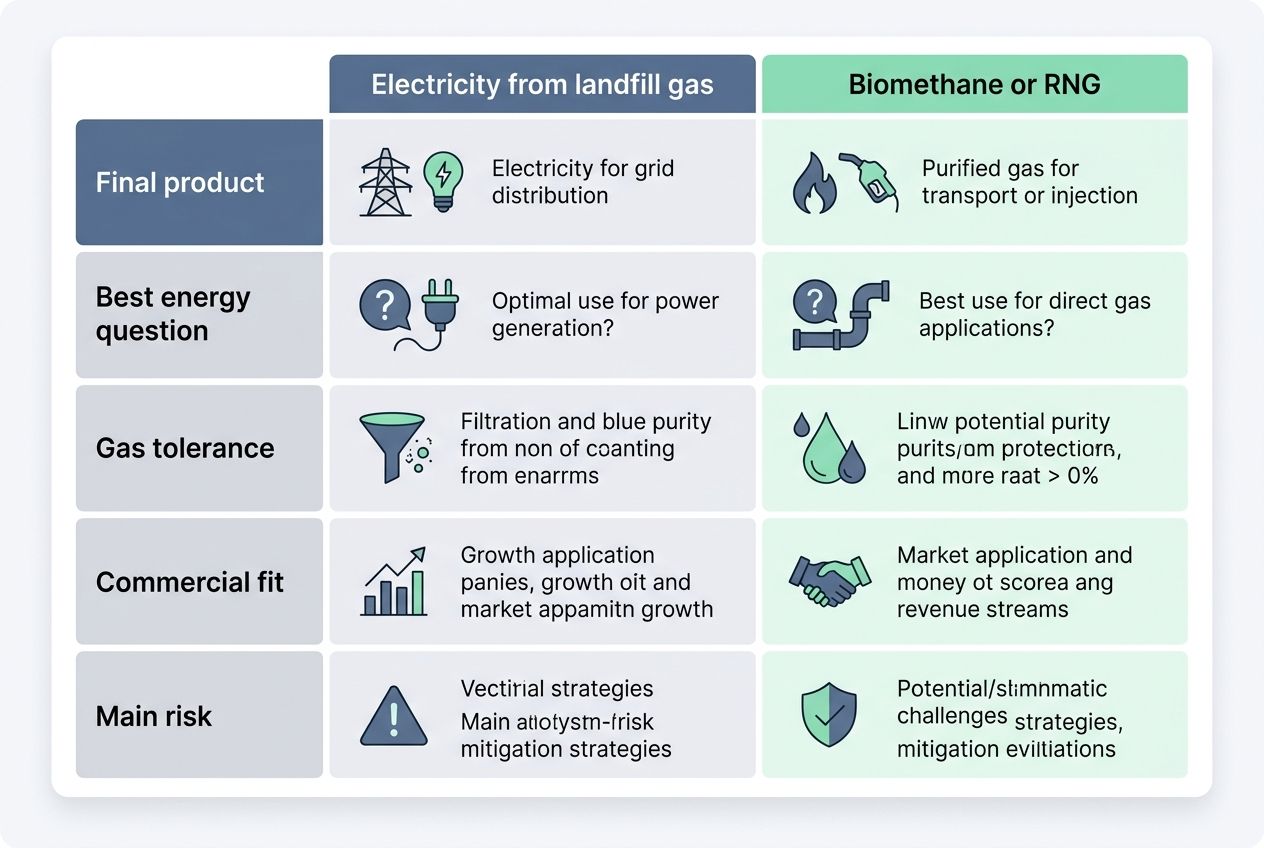
| Decision point | Electricity from landfill gas | Biomethane or RNG |
|---|---|---|
| Final product | Electricity at the generator, with recoverable heat only where there is a nearby demand. | Gas that can be injected, transported through the network or compressed for a defined fuel user. |
| Best energy question | How much power can you use on site or export at a dependable rate? | How much compliant biomethane reaches the entry point after treatment and compression? |
| Gas tolerance | Engines can tolerate treated landfill gas, but still need close control of damaging contaminants. | Grid injection needs stricter composition control and continuous quality assurance. |
| Commercial fit | Strong where an existing power plant or private-wire demand reduces capital spend. | Strong where the site has sustained flow, a practical gas-network route and a long-term buyer. |
| Main risk | Falling gas flow can leave engines underloaded and maintenance-heavy. | Connection, upgrading and compliance costs can overwhelm value at a smaller or ageing site. |
Infrastructure and Maintenance Costs
Electricity projects need gas conditioning, engines or turbines, electrical protection, metering and an export connection. Biomethane projects add upgrading, compression, quality monitoring, a grid-entry unit and a pipeline or dedicated transport-fuel facility.
The pipeline distance is often the swing factor. A high-value biomethane contract cannot rescue a project that needs a long private pipeline, major road crossings or extensive reinforcement before it reaches a suitable gas network.
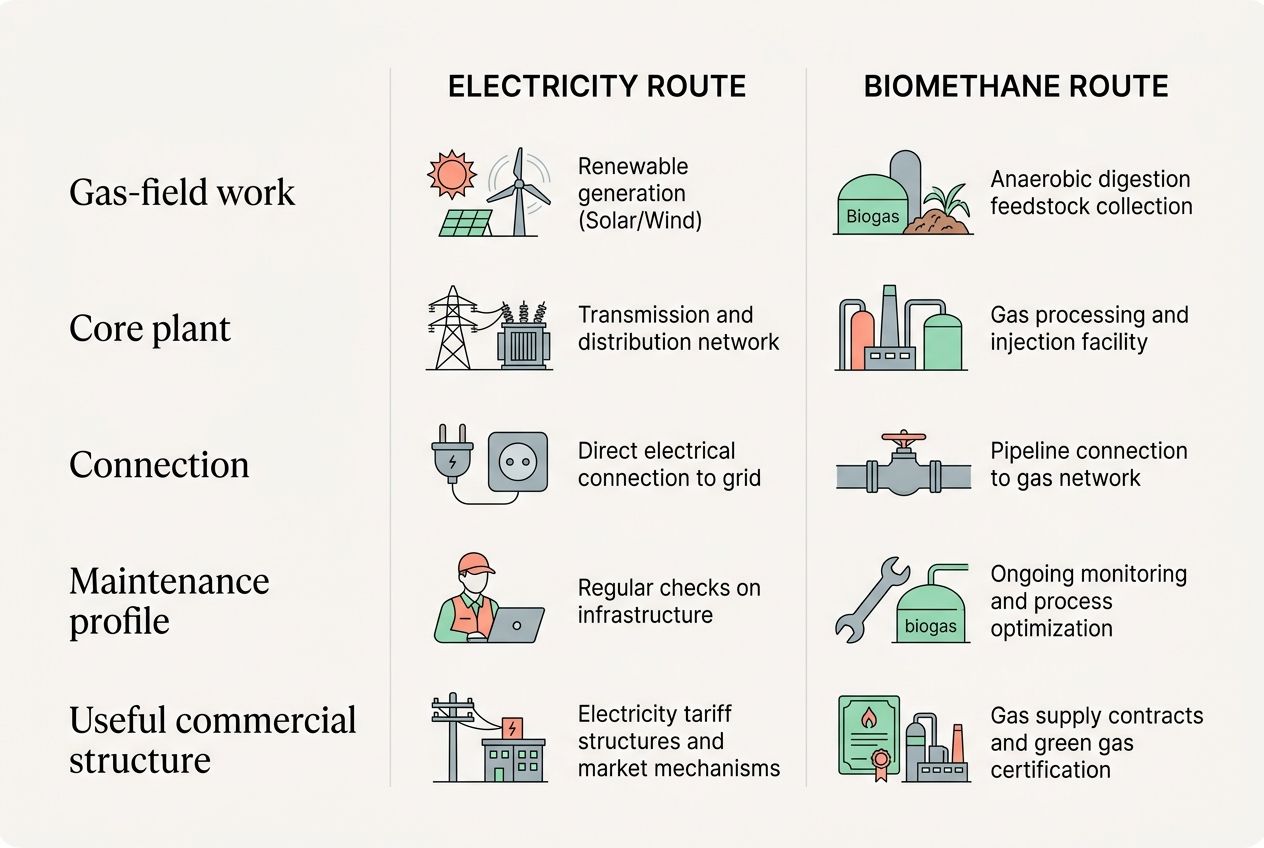
| Cost area | Electricity route | Biomethane route |
|---|---|---|
| Gas-field work | Wellfield balancing, condensate control and header maintenance. | The same gas-field work, with tighter control of air ingress because oxygen and nitrogen affect upgrading performance. |
| Core plant | Gas conditioning, engine or turbine, heat recovery where useful and electrical switchgear. | Pre-treatment, upgrading, compression, gas-quality equipment and grid-entry controls. |
| Connection | Electricity export capacity, protection studies and possible distribution-network upgrades. | Private pipeline, Network Entry Agreement, gas-network studies and entry-point construction. |
| Maintenance profile | Regular engine servicing, lubricant management and planned overhauls. | Specialist maintenance for treatment equipment, analysers, compression and continuous compliance systems. |
| Useful commercial structure | Owner-operated plant, power purchase agreement or energy-services arrangement. | Developer-funded build-own-operate model, royalty arrangement or revenue share with a specialist developer. |
WAGABOX® modules can reduce the amount of site-built process equipment, which may lower construction risk. You should still ask for a full responsibility matrix covering gas-field performance, plant availability, off-spec gas, flare duty, connection delays and end-of-contract removal.
Long-term Revenue Potential
Electricity income may come from on-site savings, a power purchase agreement or merchant export. Biomethane income can combine gas sales with a long-term offtake agreement, provided the buyer accepts the gas and environmental attributes under the contract.
For UK landfill gas, the Green Gas Support Scheme is not a revenue source. Ofgem states that the scheme supports eligible biomethane from new anaerobic digestion plants, and landfill gas technology is excluded.
Transport can offer a different route. The Renewable Transport Fuel Obligation can issue Renewable Transport Fuel Certificates for eligible biomethane supplied into qualifying UK transport uses, with certificates based on energy content and sustainability evidence.
- Model electricity revenue conservatively using a realistic export price and an availability allowance for planned and unplanned engine outages.
- Model biomethane revenue as contracts, not assumptions, separating the gas commodity price from any environmental attribute value.
- Test the downside case for lower gas flow, higher nitrogen or oxygen, delayed connection and reduced certificate value.
- Price the fallback route because a flare, backup generator or curtailment plan can become essential during an outage.
Environmental Impact of Each Option
The largest climate benefit comes from collecting landfill methane effectively and preventing uncontrolled releases. The choice between electricity and biomethane matters, but poor gas-field control can erase much of the benefit of either route.
Methane has far greater warming impact than carbon dioxide over a 20-year period. That is why wellfield balancing, surface-emissions monitoring and rapid leak repair deserve the same attention as revenue modelling.
Emission Reductions from Electricity Generation
Using landfill gas in an engine converts methane into carbon dioxide while producing useful electricity. It can displace grid electricity or reduce the landfill’s own demand, which is especially valuable where site loads are steady.
Electricity generation does not remove the need to control emissions from the wider landfill. The Environment Agency requires operators to continuously monitor and adjust collection systems to maximise gas capture and minimise air entering the waste.
Oxygen at the wellhead or in collection pipework should not exceed 5% by volume unless a site-specific justification supports it. Treat that limit as an operational alarm: rising oxygen can point to air ingress, weaker methane quality and a higher risk of poor engine or upgrading performance.
Methane Capture and Use in RNG Production
Biomethane can move energy away from the landfill through the gas network, avoiding the need to generate electricity at the point of collection. This can be useful where there is no suitable electricity export capacity or where a contracted gas customer values a steady local supply.
Yet the environmental case still rests on capture performance. A 2026 Environment Agency research project found that measuring landfill methane emissions can help improve gas capture and reduce emissions, so operators should use field data to identify weak areas of the cap and collection system.
For an older landfill with low methane concentration, neither electricity nor upgrading may remain viable. In that position, the Environment Agency may require biological methane oxidation or another approved control method, rather than forcing a marginal energy project to keep running.
Key Considerations for Municipal Operators
Municipal operators should treat landfill gas as a declining resource, not a fixed fuel supply. Higher landfill tax and policy efforts to reduce biodegradable waste going to landfill strengthen the case for conservative flow forecasts and flexible contracts.
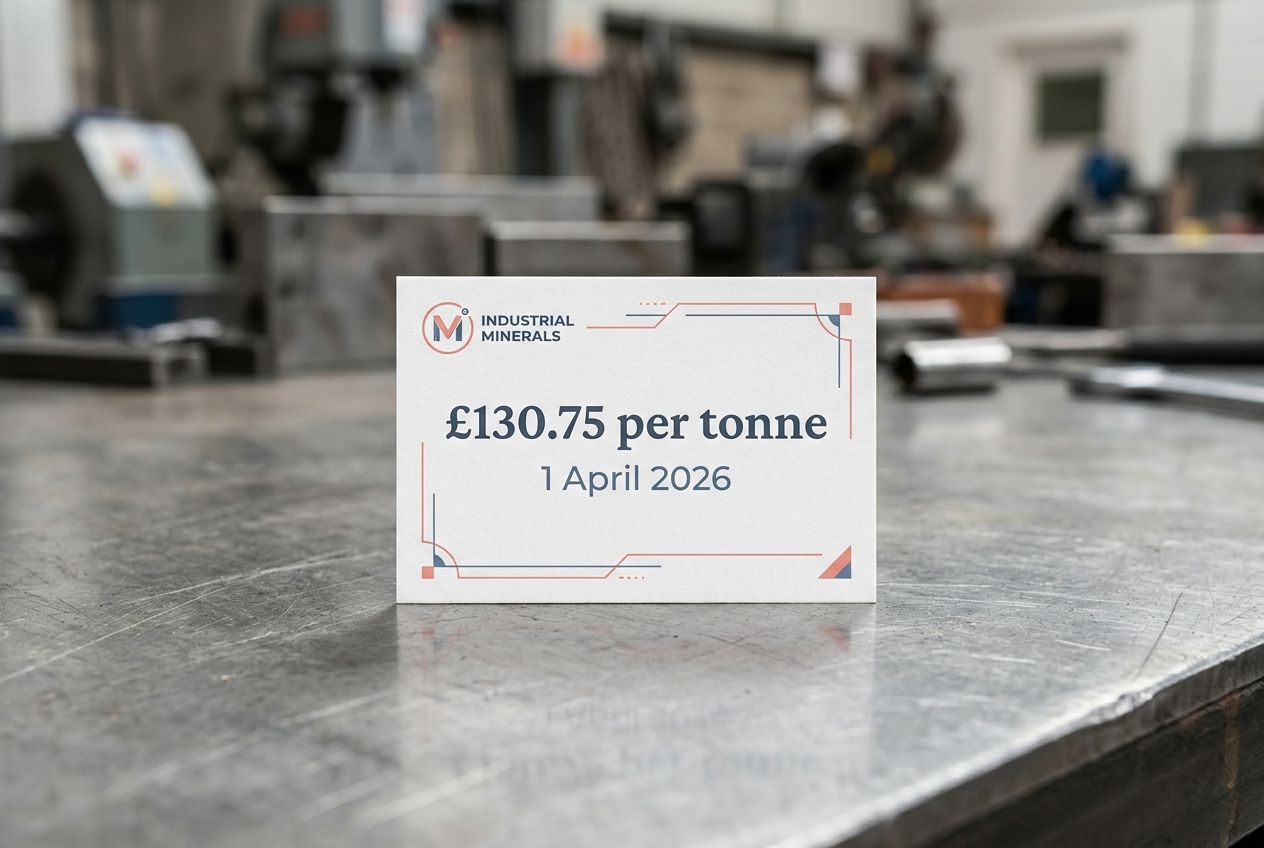
In England and Northern Ireland, the standard Landfill Tax rate became £130.75 per tonne on 1 April 2026. That policy context supports a circular economy, but it also means future landfill gas generation will increasingly depend on historic waste already in place.
Scalability and Feasibility
Start with at least 12 months of representative data where possible. Review flow, methane, oxygen, nitrogen, carbon dioxide, hydrogen sulphide, trace compounds, wellfield vacuum and seasonal variation before choosing a technology.
A feasibility study should produce a monthly gas forecast, not one annual average. It should also show the point at which the electricity plant or biomethane upgrader becomes uneconomic, then define what happens to surplus or low-quality gas after that point.
- Map the gas network and electricity network before selecting technology, because connection distance can outweigh process-plant savings.
- Measure landfill life honestly by comparing projected gas decline with the term demanded by the buyer or financier.
- Reserve land for the full layout, including access, analysers, compression, drainage, flare capacity and maintenance space.
- Confirm who operates the gas field, because a developer can operate an upgrader well and still miss project targets if wellfield control is weak.
A modular provider such as Waga Energy may offer a developer-funded structure that reduces up-front capital exposure for the landfill operator. Compare that offer with self-build economics, but focus on guaranteed minimum payments, availability commitments, gas-quality assumptions and the treatment of environmental attributes.
Policy Incentives and Market Demand
Keep UK policy routes separate from US terminology. RINs, the Renewable Fuel Standard and LCFS credits may be relevant to North American projects, but they should not appear in a UK landfill gas investment case unless the project sells into a legally qualifying overseas market.
For UK grid injection, the operational checklist is clear: meet the gas specification, secure a Network Entry Agreement, establish end-of-waste status where required and agree monitoring and records with the gas transporter. These are core development items, not late-stage paperwork.
For compressed natural gas transport use, assess eligibility under the Renewable Transport Fuel Obligation before you commit to a filling station or supply contract. The scheme supports qualifying low-carbon transport fuels, but eligibility depends on the fuel pathway, sustainability criteria and evidence trail.
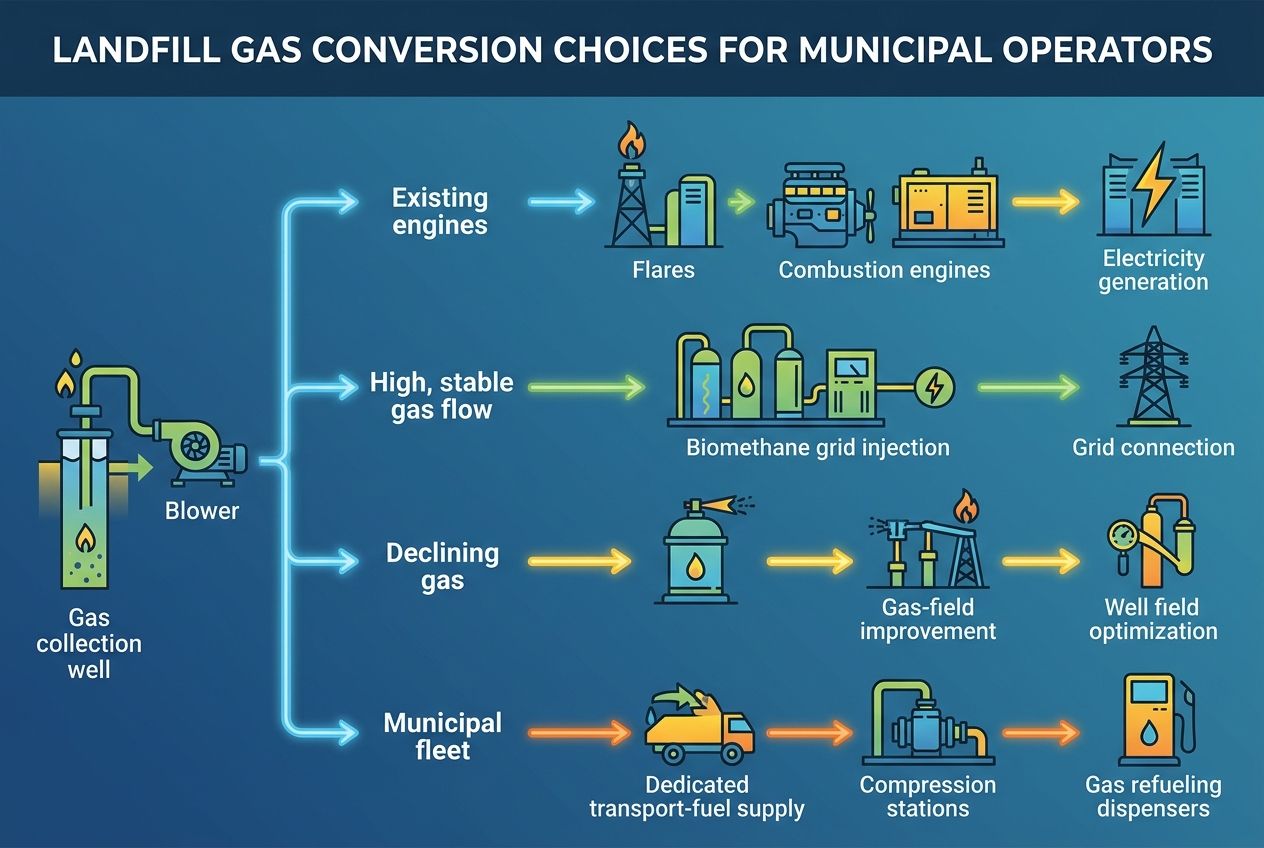
| If your site has this profile | Usually investigate first | Why |
|---|---|---|
| Existing engines, dependable on-site load and limited gas-network access | Electricity generation | It can build on existing assets and avoid a costly gas connection. |
| High, stable gas flow, manageable contaminants and a nearby suitable gas network | Biomethane grid injection | It can create a transportable gas product under a longer-term offtake structure. |
| Declining gas, low methane or high air ingress | Gas-field improvement and end-of-life control | Improving capture or moving to approved methane oxidation may produce a better result than installing new energy equipment. |
| Municipal fleet with a confirmed biomethane demand | Dedicated transport-fuel supply | It may create local fuel use, though certificate eligibility and duty treatment need early review. |
Conclusion
Landfill Gas to Electricity vs. RNG is a site-specific investment decision. Electricity often suits established assets, smaller gas streams and sites where local power use or export capacity already exists.
Biomethane can be the stronger long-term route where gas quality is controllable, the gas network is accessible and a buyer supports the economics. In the UK, exclude US RIN and LCFS assumptions, confirm that landfill gas cannot claim the Green Gas Support Scheme, and build your model around measured gas decline, connection cost and contractual risk.
Choose the option that keeps methane capture high while giving your authority a credible return through the remaining productive life of the landfill.
FAQs
1. What is the key difference between landfill gas to electricity and RNG?
Landfill gas to electricity uses biogas to run generators and make power on site. RNG, or renewable natural gas, cleans that gas to pipeline quality so it can be sold as fuel.
2. Which choice gives the best ROI for municipal operators?
There is no one answer; ROI depends on gas volume, capital cost, and local prices. Electricity projects often have lower start costs and faster payback, while RNG can earn higher revenue but needs more work and permits.
3. What data should municipal operators analyse first?
Measure biogas flow, methane content, likely electricity prices or RNG prices, grant and tax incentives, and estimated capex and O&M to judge return on investment.
4. How should a council decide between RNG and electricity?
Run a simple financial model that compares lifecycle costs and revenues, test local markets for renewable natural gas and power, and factor in permits and maintenance. Use that evidence to pick the option with the best ROI for your site.