
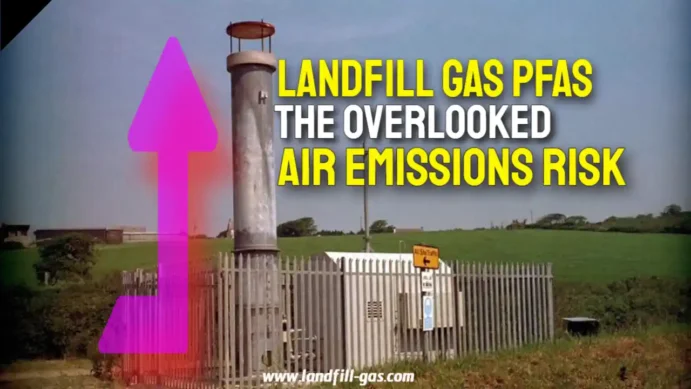
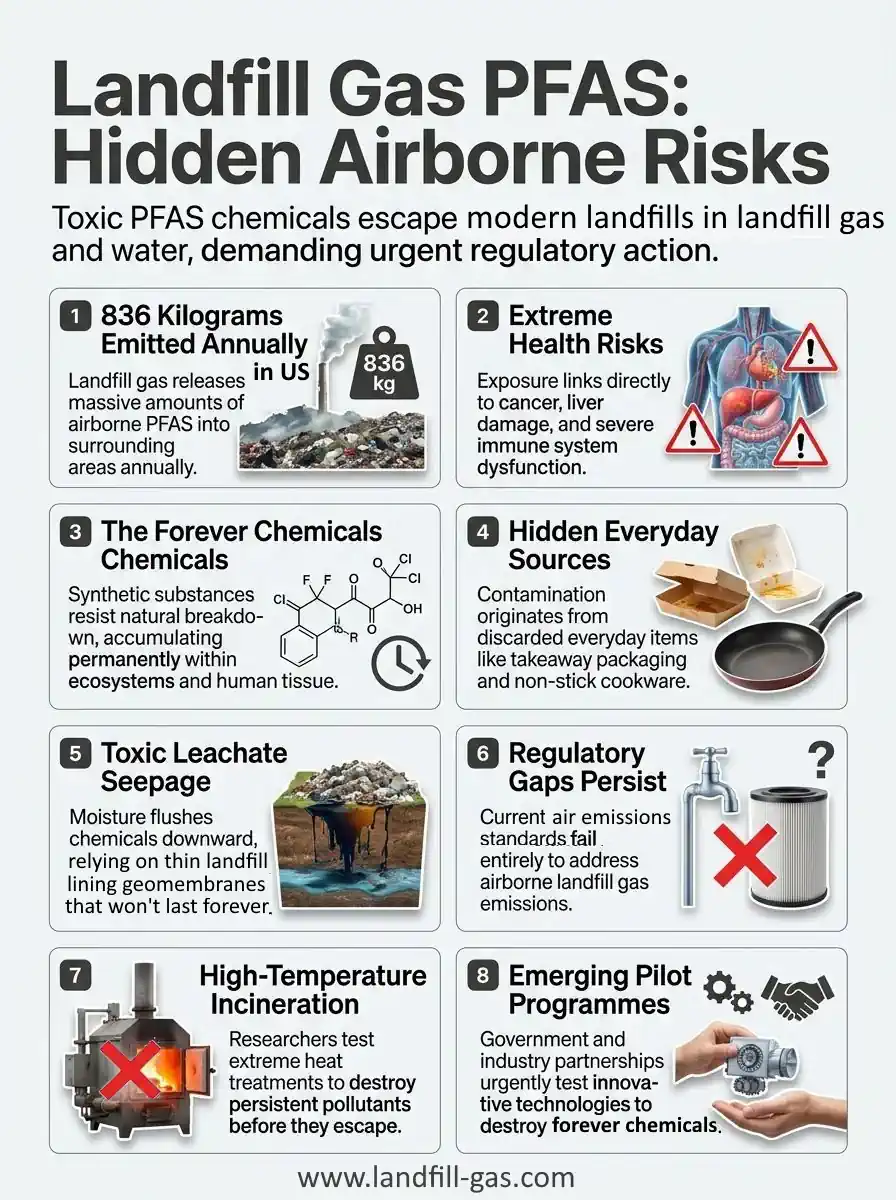
Landfill Gas PFAS are an emerging concern at least as serious as PFAS in leachate. U.S. landfills release approximately 836 kilograms of per- and polyfluoroalkyl substances (PFAS) into the atmosphere every year through landfill gas emissions alone. 2 This figure, drawn from research sampling 30 municipal solid waste landfills across 17 states, directly matches the volume released through leachate contamination. The data confirms that airborne and ground-based release pathways present an equal environmental threat.
These persistent synthetic chemicals originate in everyday consumer goods: food packaging, non-stick cookware, and water-resistant textiles. Once deposited in landfills, they do not remain contained. 1 They escape through multiple pathways, reaching groundwater, surrounding communities, and the air people breathe.
The regulatory framework attempting to control these emissions contains significant gaps, whilst emerging destruction technologies remain largely in the pilot phase. 3 This analysis examines the primary PFAS release pathways from landfills, the current state of regulation in both the United States and the United Kingdom, and the scientific progress being made to address this persistent contamination challenge.
Landfill Gas PFAS – Key Takeaways
- U.S. landfills release approximately 836 kilograms of PFAS annually through gas emissions, matching leachate releases and posing equal environmental contamination risks.
- PFAS chemicals persist indefinitely in the environment, accumulate in human bodies, and scientists have linked them to cancer, liver damage, and immune system dysfunction.
- PFAS escapes landfills through two main pathways: leachate seeping into groundwater, volatile compounds entering the air, and third is adsorption via direct contact with municipal solid waste.
- The EPA established drinking water limits for PFOA and PFOS in 2024, yet significant regulatory gaps remain for landfill gas emissions and groundwater protection.
- High-temperature incineration represents the only commercially viable PFAS destruction method currently available, whilst the Department of Defence tests ten pilot projects evaluating emerging technologies.
What are the concerns regarding PFAS emissions from landfills?
Landfills release per- and polyfluoroalkyl substances (PFAS) into the air, soil, and water, creating serious environmental and health risks for nearby communities. According to a 2024 investigation by the Environment Agency and Defra, raw leachate samples from 17 English landfills contained total PFAS concentrations as high as 105,910 nanograms per litre. This figure puts the true scale of contamination into sharp focus.
These persistent chemicals resist breakdown, accumulate in human bodies over time, and scientists have linked them to cancer, liver damage, and immune system problems.

How do airborne PFAS emissions affect public health?
Airborne PFAS emissions from landfills pose significant concerns for public health, though researchers are still uncovering the full extent of these risks. The U.S. Environmental Protection Agency estimates that landfill gas releases approximately 836 kilograms of PFAS into the air each year across the United States.
These per- and polyfluoroalkyl substances originate largely from grease-proofing agents found in food packaging, particularly pizza boxes and other takeaway containers. Workers at landfill sites and communities living downwind face potential exposure to these airborne contaminants.
Scientists at the University of Florida and the University of North Carolina have documented that certain PFAS compounds, such as fluorotelomer alcohols detected in landfill gas condensate, can transform into PFOA once they enter the atmosphere. This conversion raises serious concerns, as PFOA persists in the environment for potentially hundreds of years and accumulates in human tissue over time.
The groups most at risk from these airborne emissions include:
- Landfill workers with regular, direct exposure to gas emissions and condensate
- Residents living downwind of active or closed waste disposal sites
- Communities relying on groundwater sources near landfill boundaries
- Workers at wastewater treatment plants receiving contaminated leachate
Environmental science researchers have found that non-methane organic compounds in landfill gas carry PFAS particles considerable distances from the source. Research published in Environmental Science and Technology Letters confirms that contamination extends well beyond the immediate facility boundary into surrounding neighbourhoods.
The public health impact of these airborne PFAS emissions remains largely unknown, requiring urgent investigation to assess risks to vulnerable populations. The EPA established drinking water limits for PFAS in 2024, recognising their harmful effects on human health.
The EU has been an early starter with regulations now in place to limit PFAS.
As outlined in the UK Department for Environment, Food and Rural Affairs’ February 2026 PFAS Plan, the UK Government has launched its first comprehensive national strategy to assess and reduce public health risks specifically from historic landfills that lack modern gas and leachate containment engineering. This policy signals that authorities now treat legacy landfill gas pathways as an active and urgent public health priority.
Why are PFAS persistent and what are their health risks?
PFAS chemicals possess exceptionally strong chemical bonds that resist breaking down in nature. 1 These synthetic substances, including common types like PFOA and PFOS, remain stable in soil, water, and air for decades. Scientists have found that PFAS molecules do not degrade through natural processes, meaning they accumulate over time in both the environment and human bodies.
Drinking water treatment systems often fail to remove PFAS effectively, leaving harmful levels in the water people consume daily. According to a December 2025 report from the Environment Agency, 46% of groundwater sites and 88% of surface water sites in England now contain detectable levels of PFAS. But to put this in perspective, monitoring fresh and marine fish revealed that all biota samples contain some level of PFAS.
Research teams, including those from the University of North Florida, have traced PFAS in the blood and urine of numerous individuals, revealing widespread human exposure across entire populations.
PFAS chemicals do not break down; they only accumulate, making them a permanent threat to our environment and health.
Health risks from PFAS exposure extend across multiple body systems and affect people of all ages. The effects identified by researchers include:
- Immune dysfunction, reducing the body’s ability to fight infections and disease
- Reproductive harm and developmental toxicity in unborn children
- Certain cancers, particularly in workers with occupational exposure
- Liver damage and disruption to metabolic function
Studies published in journals including Environmental Science and Technology have linked PFAS exposure to these conditions with increasing consistency.
The National Institutes of Health and U.S. Department of Defense have funded research examining how multiple PFAS chemicals combine to damage human health.
The combined effects of different PFAS types remain poorly understood, and this gap complicates medical decisions for affected individuals. Landfill leachate and greenhouse gas emissions from municipal solid waste facilities release these chemicals into groundwater and air, extending exposure well beyond drinking water sources alone.
Environmental release pathways of PFAS from landfills
PFAS travels through multiple routes as it escapes from landfills. Despite the presence of landfill linings, these have a finite permeability, so it moves through those leachates that seep into groundwater, through biogas that rises into the air. It may even persist in the hot gases that flow from landfill flares and the fumes from the gas engines that generate electricity from landfill gas.
Understanding these environmental release pathways helps explain how per- and polyfluoroalkyl substances reach communities and why managing them demands urgent attention from the UK Environment Agency, the U.S. EPA and similar bodies around the globe. It is also hoped that numerous environmental science researchers are now actively studying the subject.
What are the pathways of PFAS entering and leaving landfills?
Understanding how PFAS chemicals enter and exit landfills reveals a troubling journey that affects the environment through several simultaneous routes.
| Pathway Stage | How PFAS Moves | Key Points |
|---|---|---|
| Entry into Landfills | Through consumer goods, food packaging, and industrial waste that break down over time | • PFAS chemicals hide in everyday items we throw away • Packaging materials release PFAS as they degrade • Industrial waste introduces significant quantities • Discarded textiles and water-resistant coatings contain these substances |
| Leachate Formation | PFAS becomes mobile and leaches into pore water inside landfills, creating contaminated leachate | • Moisture activates PFAS movement downward • Rainfall patterns influence leachate production rates • Waste composition affects how readily PFAS migrates • Contaminated liquid pools at landfill bases |
| Airborne Emissions | PFAS escapes as landfill gas with estimated annual emissions of 836 kilograms across the U.S. Other national environmental bodies, such as in the UK, are also announcing similar data. | • Volatile PFAS compounds become airborne • Gas emissions carry chemicals into the surrounding air • Weather conditions modify emission patterns • Significant quantities enter the atmosphere annually |
| Leachate Treatment Routes | Leachate travels either through on-site treatment or transport to wastewater facilities | • On-site treatment attempts to remove PFAS • Municipal wastewater facilities receive treated leachate • Few facilities can fully destroy these chemicals • Treated discharge often retains PFAS residues |
| Exit Pathways | Two main routes exist: gas emissions or through contaminated leachate | • Airborne release contaminates atmosphere • Leachate threatens groundwater supplies • Both pathways pose environmental risks • Surrounding ecosystems face persistent contamination |
| Environmental Impact | PFAS contamination spreads through groundwater and soil systems | • Groundwater becomes polluted from leachate seepage • Surrounding environments face degradation • Agricultural land absorbs PFAS through irrigation • Long-term persistence creates ever-rising chronic exposure risks |
The central column in the table above deserves particular attention. According to a November 2024 study by Manchester Metropolitan University and CHEM Trust, standard treatment processes designed to decontaminate liquid landfill waste can actually increase the levels of banned forever chemicals like PFOS. One sample showed an increase of 1,335%.
This finding fundamentally challenges the assumption that conventional clean-up methods make leachate discharge safer. It points to the need for entirely new treatment approaches rather than refinements to existing ones.
Consumer goods discarded daily introduce PFAS through every route simultaneously. The chemicals do not wait for a single exit point. They migrate through whichever pathway offers the least resistance, making comprehensive containment extremely difficult at most existing sites.
What challenges exist in managing PFAS emissions?
Managing per- and polyfluoroalkyl substances from landfills presents significant obstacles that test current environmental science capabilities. PFAS persist in the environment with remarkable stubbornness, resisting degradation through the biological and physical processes that typically break down other contaminants.
Treatment technologies for these chemicals demand substantial financial investment, making large-scale applications impractical for most municipal solid waste facilities. Landfill leachate contaminated with PFAS threatens groundwater and nearby ecosystems. Older landfills, lacking the modern containment engineering of newer sanitary landfills, are particularly vulnerable to this toxic seepage. 2
According to a 2026 review by the Institution of Environmental Sciences, the UK possesses over 20,000 legacy landfills. Many of these contain unsorted waste deposited into unlined pits that sit below the water table, making modern containment technically impossible. Retrofitting these sites is a fundamentally different challenge from managing a purpose-built modern facility.
The fate of PFAS inside landfills remains poorly understood, controlled by complex combinations of processes that scientists continue to study. Several specific challenges compound the problem:
- Chemical and physical treatments remain expensive and difficult to scale across different waste management sites
- Comprehensive monitoring of PFAS emissions from landfills remains largely absent, creating a significant gap in environmental oversight
- PFAS can infiltrate agricultural systems through recycled water and contaminated biosolids, extending contamination far beyond landfill boundaries
- The greenhouse gas reporting programme currently focuses on methane and carbon dioxide, leaving PFAS largely unmonitored in many jurisdictions
Research published in Environmental Science and Technology Letters reveals that foam fractionation and innovative destruction technologies show genuine promise. Yet widespread adoption faces technical and economic barriers that have slowed progress considerably.
PFAS contamination demands urgent action, not just better monitoring systems.
Facilities must develop new approaches to reduce existing PFAS loads and prevent groundwater contamination risks before these chemicals spread further into water supplies across the United States and the United Kingdom.
How are PFAS emissions being mitigated?
Experts from the U.S. Environmental Protection Agency and researchers at the American Chemical Society are developing new strategies to tackle PFAS emissions from landfills. Scientists are testing destruction methods and sequestration techniques designed to capture these harmful chemicals before they escape into the surrounding environment.

What are the EPA regulations and their limitations on PFAS?
The Environmental Protection Agency has taken steps to manage PFAS contamination, yet significant gaps remain in its regulatory framework that leave communities vulnerable to exposure from landfill emissions and other sources.
The following is an unverified AI-generated table, but we retained it as it appears to be a useful resource. We did not have the resources to check each point before publication. Treat this table as preliminary and verify every fact before you take any action.
| US EPA Regulatory Action | Key Details and Limitations |
|---|---|
| Drinking Water Standards (MCLs) |
|
| Toxic Substances Control Act (TSCA) Regulations |
|
| Hazardous Substance Designation |
|
| Fragmented State Standards |
|
| Funding Constraints and Political Shifts |
|
| Coal Ash Management Proposals |
|
| Gaps in Landfill-Specific Rules |
|
The U.S. regulatory picture contrasts sharply with the direction the United Kingdom is taking. According to the UK Government’s February 2026 PFAS Plan, the UK is using its UK REACH framework to enforce stricter environmental permits and demand transparent PFAS disclosure from landfill operators.
Where the U.S. relies on specific maximum contaminant levels for named compounds, the UK approach targets operational accountability and site-level permitting. Both systems share the same core limitation: neither comprehensively addresses the airborne release of PFAS through landfill gas.
What research exists on PFAS destruction and sequestration methods?
Scientists and engineers have made significant progress in developing technologies to destroy per- and polyfluoroalkyl substances from contaminated waste streams.
High temperature incineration (HTI) stands as the only commercially viable method for large-scale PFAS destruction at present, and researchers continue to test it across municipal solid waste facilities. 4 According to a September 2025 rapid evidence assessment published by the Environment Agency, HTI remains the UK’s only viable option at this scale, though its extreme energy demands raise significant sustainability concerns that decision-makers must weigh carefully.
The U.S. Department of Defense is currently conducting 10 pilot projects examining emerging destruction technologies, with preliminary results showing genuine promise for scaling up these approaches. The EPA’s PFAS Innovative Treatment Team, known as PITT, is examining advanced destruction technologies and will publish technical results from both laboratory and field tests in the near term.
Research published in the Journal of Hazardous Materials and Environmental Science and Technology Letters shows that integrated treatment strategies combining separation and destructive technologies deliver more effective PFAS remediation than single-method approaches. Four technologies in particular are attracting significant research investment:
- Electrochemical Oxidation (EO): Uses electrical current to break apart PFAS molecular bonds
- Supercritical Water Oxidation (SCWO): Applies extreme heat and pressure to destroy PFAS compounds
- Mechanochemical Degradation (MCD): Uses mechanical energy to break chemical bonds at low temperatures
- Pyrolysis and Gasification: Applies thermal processes to convert PFAS-containing waste into safer outputs
Researchers are progressing towards integrated treatment trains that combine concentration and destruction methods for greater sustainability. The Landfill Methane Outreach Program (LMOP) and LFG energy projects provide testing grounds where scientists can evaluate how traditional waste management methods perform when targeting PFAS destruction specifically.
Pilot-scale validation gaps remain a significant obstacle, and comprehensive life-cycle assessments are needed before any hybrid system is deployed at full scale. This collaborative research, spanning government agencies, private US companies such as Clean Harbors and Reworld, and academic institutions, represents a critical step towards a viable solution.
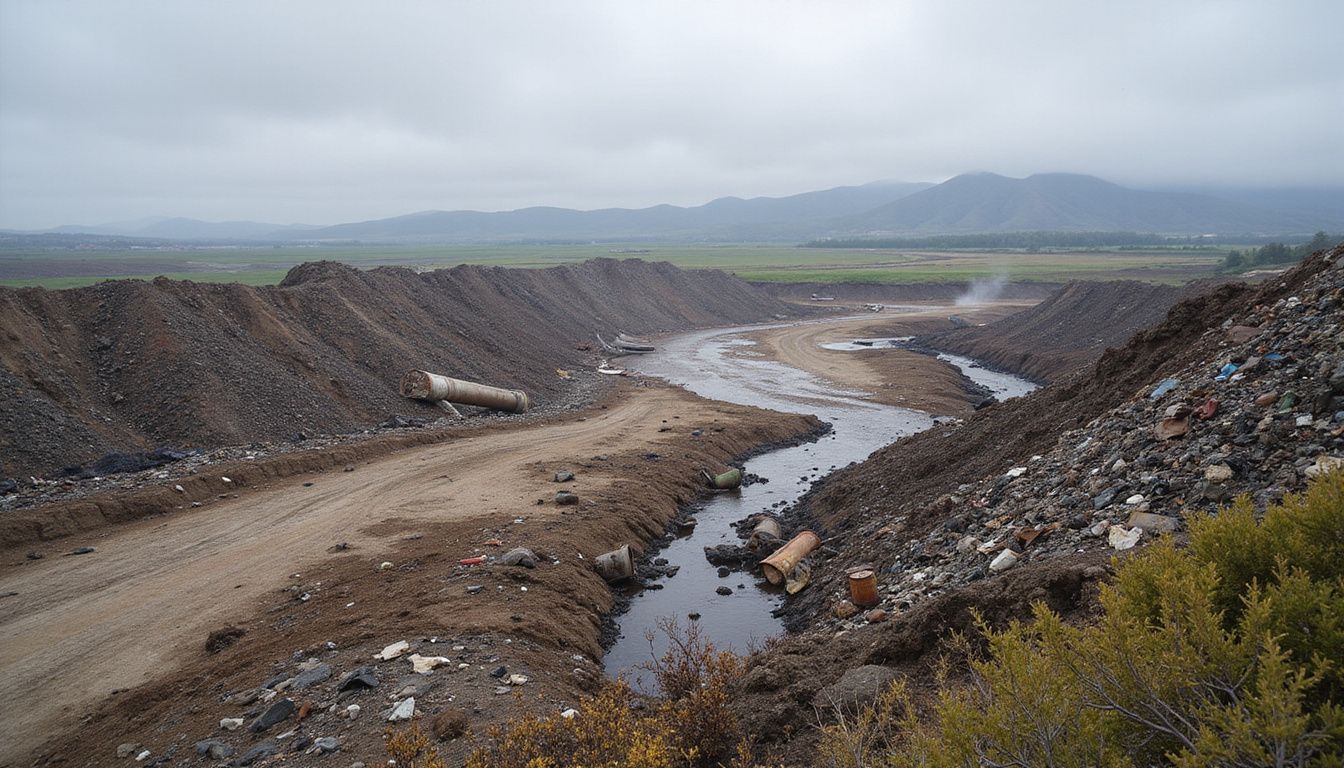
Which collaborations and pilot projects address PFAS emissions?
Organisations across the United States are joining forces to tackle PFAS contamination from landfills and waste facilities. These partnerships combine government expertise, university research, and industry innovation to find practical solutions.
- The U.S. EPA established the PFAS Innovative Treatment Team (PITT) in April 2020, bringing together specialists to research methods for destroying PFAS-containing waste through a Tiger Team model that explores promising technologies over six months.
- PITT identified four promising technologies including Electrochemical Oxidation (EO), Supercritical Water Oxidation (SCWO), Mechanochemical Degradation (MCD), and Pyrolysis/Gasification to break down per- and polyfluoroalkyl substances effectively.
- The Department of Defense collaborates with the EPA to evaluate incineration technologies at multiple locations, including Clean Harbors and Reworld facilities, testing whether traditional methods can destroy PFAS safely.
- The University of North Florida, North Carolina State University, and Oregon State University conducted joint studies on PFAS emissions from municipal solid waste, providing critical data on how these chemicals escape landfills into the air.
- The Landfill Methane Outreach Program (LMOP) works with facilities to capture and manage gases, creating opportunities to monitor and reduce PFAS releases alongside methane emissions from waste decomposition.
- PITT will publish technical results from laboratory and field tests, sharing findings that advance PFAS mitigation efforts across the waste management industry and inform future regulatory decisions.
- Pilot projects at Clean Harbors and Reworld facilities test whether existing incineration infrastructure can destroy PFAS waste, offering practical insights into scaling treatment technologies nationwide.
Conclusion
Landfills release PFAS into the air and water through multiple pathways, creating serious environmental and public health challenges that demand immediate action. Research teams from universities across North Carolina, Florida, and Oregon are testing destruction technologies and gas collection systems to tackle these persistent chemicals at their source.
The EPA has designated PFOA and similar PFAS as hazardous substances, and the UK Government has launched its February 2026 PFAS Plan to address legacy landfill risks directly. Yet regulatory gaps persist on both sides of the Atlantic, particularly for landfill gas emissions and the 20,000-plus unlined legacy sites that lack modern containment infrastructure.
Municipal solid waste facilities must adopt stronger emission controls, transparent monitoring, and advanced treatment methods to reduce PFAS contamination in the environment. Community safety depends on continued investment in PFAS research, expanded pilot projects, and regulations that hold landfill operators accountable for protecting public health.
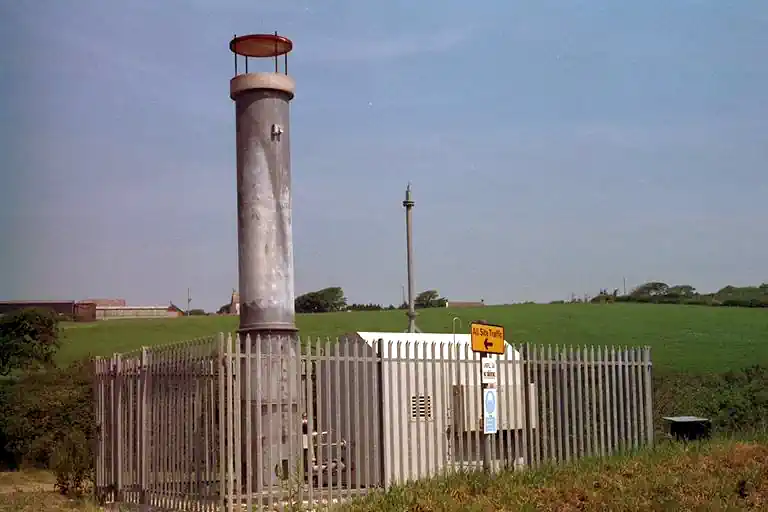
However, for landfill gas, we were unable to find any publicly available data on the degree to which combustion in flares and the most common landfill gas engines are used to generate electricity from landfill gas, which may remove some of the PFAS. So, perhaps this is not quite as bad as it seems?
Landfill Gas PFAS – FAQs
1. What are PFAS, and why are they a concern in landfill gas?
PFAS, or per- and polyfluoroalkyl substances, are synthetic chemicals that persist in the environment for decades due to their strong carbon-fluorine bonds. Research published in Environmental Science & Technology Letters demonstrates these substances can volatilise through landfill gas emissions, threatening air and water quality.
2. How does municipal solid waste contribute to PFAS release?
Municipal solid waste contains numerous consumer products treated with PFAS, including food packaging and textiles, which release these chemicals as waste decomposes in landfills. Studies by researchers Timothy Townsend and Ashley Lin have documented measurable PFAS concentrations in landfill leachate and gas emissions.
3. What does the Clean Air Act say about landfill gas emissions?
The United States Clean Air Act mandates that landfills exceeding specific emission thresholds install gas collection systems and monitor releases of non-methane organic compounds, which may include PFAS.
4. Can landfill gas be used as renewable energy despite PFAS risks?
Landfill gas serves as a renewable energy source, but operators must implement PFAS monitoring and treatment systems before the gas enters energy recovery infrastructure.
5. Where can I find reliable research on landfill gas emissions and PFAS?
Authoritative sources include Environmental Science & Technology, Journal of Hazardous Materials, ScienceDirect, and PubMed, all of which publish peer-reviewed studies on this topic. Research by Florentino de la Cruz and coverage in Chemical & Engineering News provide key findings on PFAS behaviour in landfill systems.
References
- ^ https://www.sciencedirect.com/science/article/pii/S0147651323011673
- ^ https://pmc.ncbi.nlm.nih.gov/articles/PMC7817812/
- ^ https://www.sciencedirect.com/science/article/pii/S0045653525002437
- ^ https://assets.publishing.service.gov.uk/media/68dd29d9dadf7616351e4ccc/Rapid_evidence_assessment_of_PFAS_incineration_and_alternative_remediation_methods_-_report.pdf
- ^ https://pmc.ncbi.nlm.nih.gov/articles/PMC9316338/
- ^ https://www.sciencedirect.com/science/article/pii/S1944398625005818
NOTE: When a link appears with a strikethrough, the link is usually valid, but requires an “I am a human” response before allowing access.

NYS largest C and D landfill Dunn Construction and Demolition Landfill is next door to a public school for almost 1000 kids from an environmental justice community where the prevailing wind blows toward the school and the nearby community from the landfill 11 months if the year and in spite of knowledge of PFAS in the air from the burn stack we have heard nothing about them taking any action.
If a purely Construction and Demolition Landfill (also known as Inert Waste Landfill) were to emit landfill gas, that would clearly be a self-evident failure of local waste regulation.