Water softeners and landfill gas are two things you may not think are linked in any way. One is a household plumbing addition, and the other is a natural byproduct of organic waste, such as food scraps and yard trimmings, decomposing in a landfill. However, if these two things are brought together, their similarities are in their shared efforts to limit environmental waste.
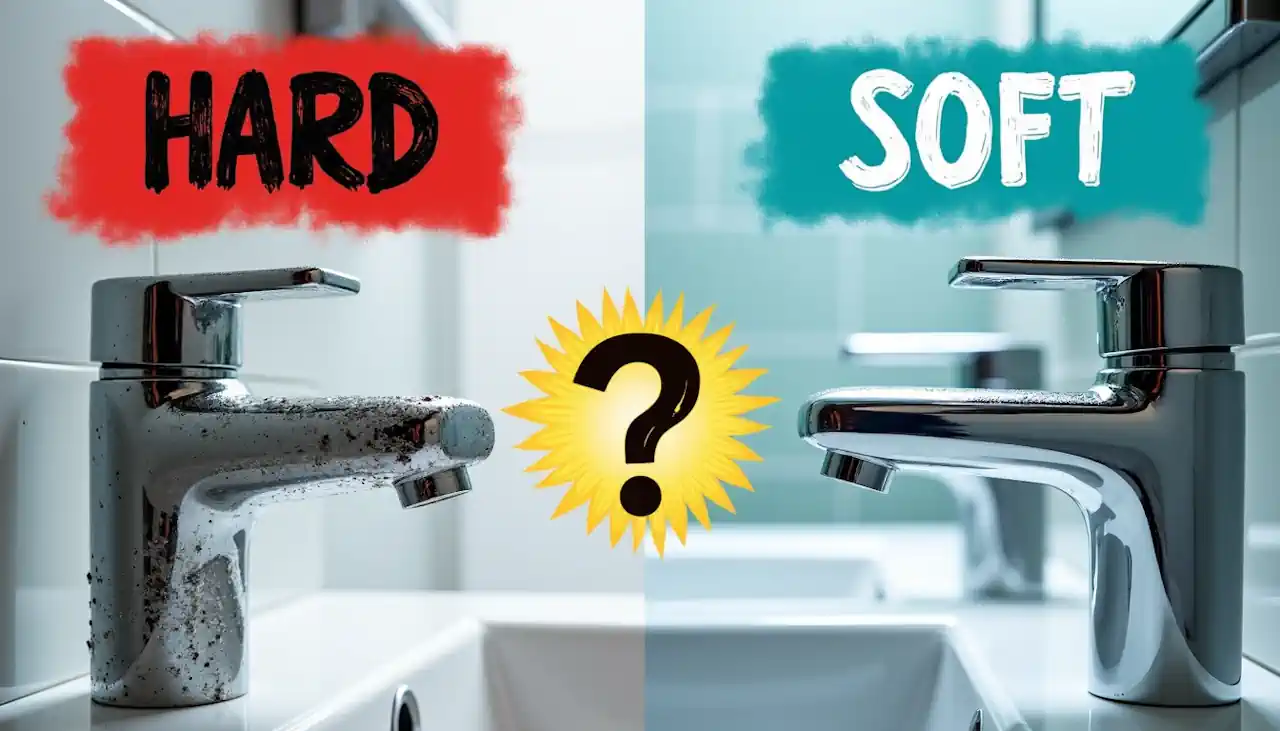
What Are Water Softeners?
Many people purchase water softeners for whole house use because they are filtration systems that remove hard minerals from water supplies. Through an ion-exchange process, calcium, magnesium, and, sometimes, iron are removed from the water to:
- Prevent scale buildup in plumbing systems
- Extend the lifespans of water-using appliances
- Improve appliance efficiency
- Prevent excess soap and detergent use
- Lower energy consumption
Water softeners are either salt-based or salt-free and can be installed in whole homes or at individual fixtures.
How Water Softeners Reduce Waste
When you’re on a mission to lower your environmental footprint, you may be curious about how installing water softeners in your house achieves this goal. Modern water softeners can be helpful in the following ways:
Extend the Lifespan of Appliances
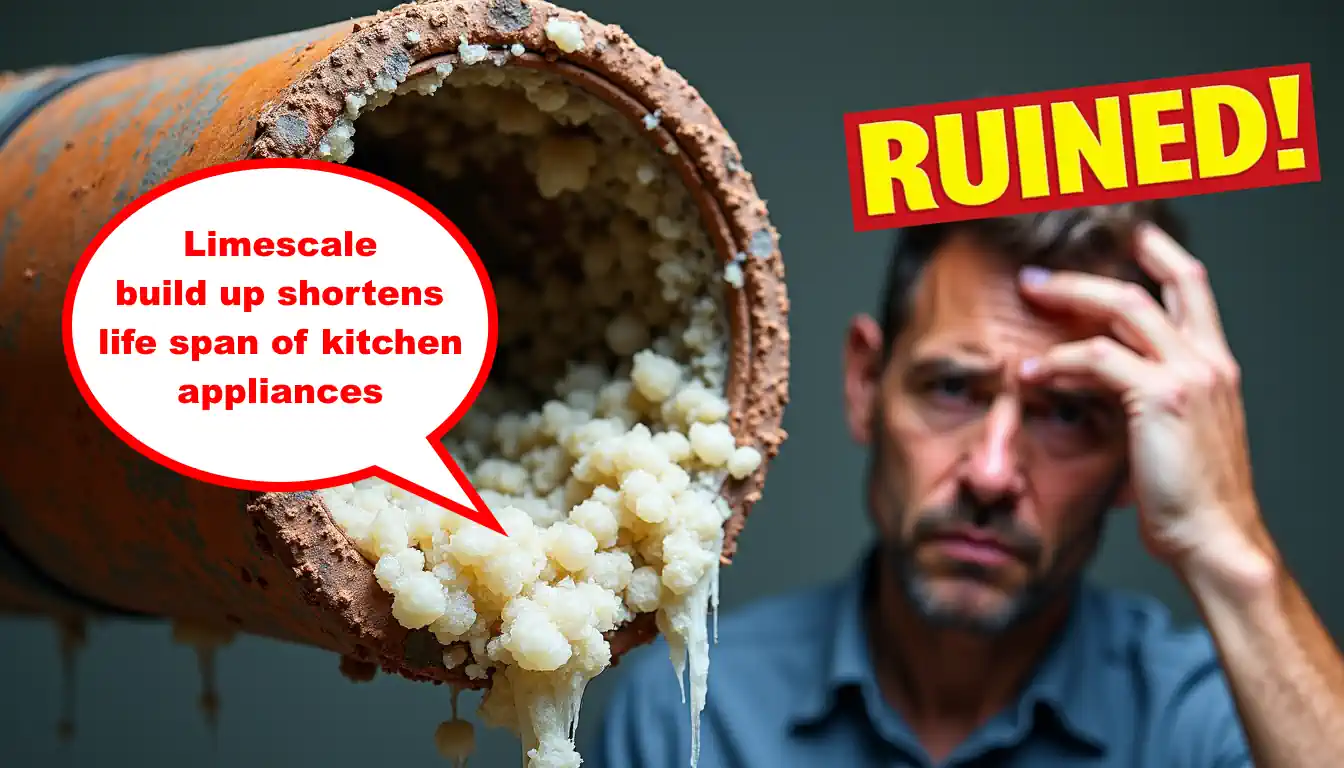
Hard water can cause mineral buildup in appliances such as washing machines, dishwashers, and water heaters, forcing them to work harder. Working harder and less efficiently means they can wear out faster and fail far sooner than they should.
Water softeners help appliances work more efficiently, reducing premature replacements and lowering the volume of discarded appliances entering landfills.
Reduce Energy Use
When scale builds up in water heaters, it can significantly reduce heating efficiency. When you install a home water softener, your water heater and other systems can operate more effectively, potentially reducing your household’s energy use over time.
Limit Cleaning Product Waste
Many people with hard water get frustrated by how it affects the efficacy of their cleaning products. Soap and similar products form insoluble soap scum, rather than soap suds, due to the calcium and magnesium in the water.
This can mean you end up using more products to achieve what would be achieved with fewer in a home with soft water. Investing in a water softener means you can use fewer cleaning products and chemical agents, reducing packaging waste and chemical runoff into wastewater systems.
Water Conservation
When appliances and plumbing systems are protected from hard water through water softener systems, they often use less water, which supports water conservation efforts.
What is Landfill Gas?
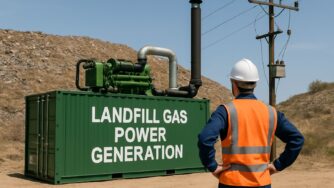
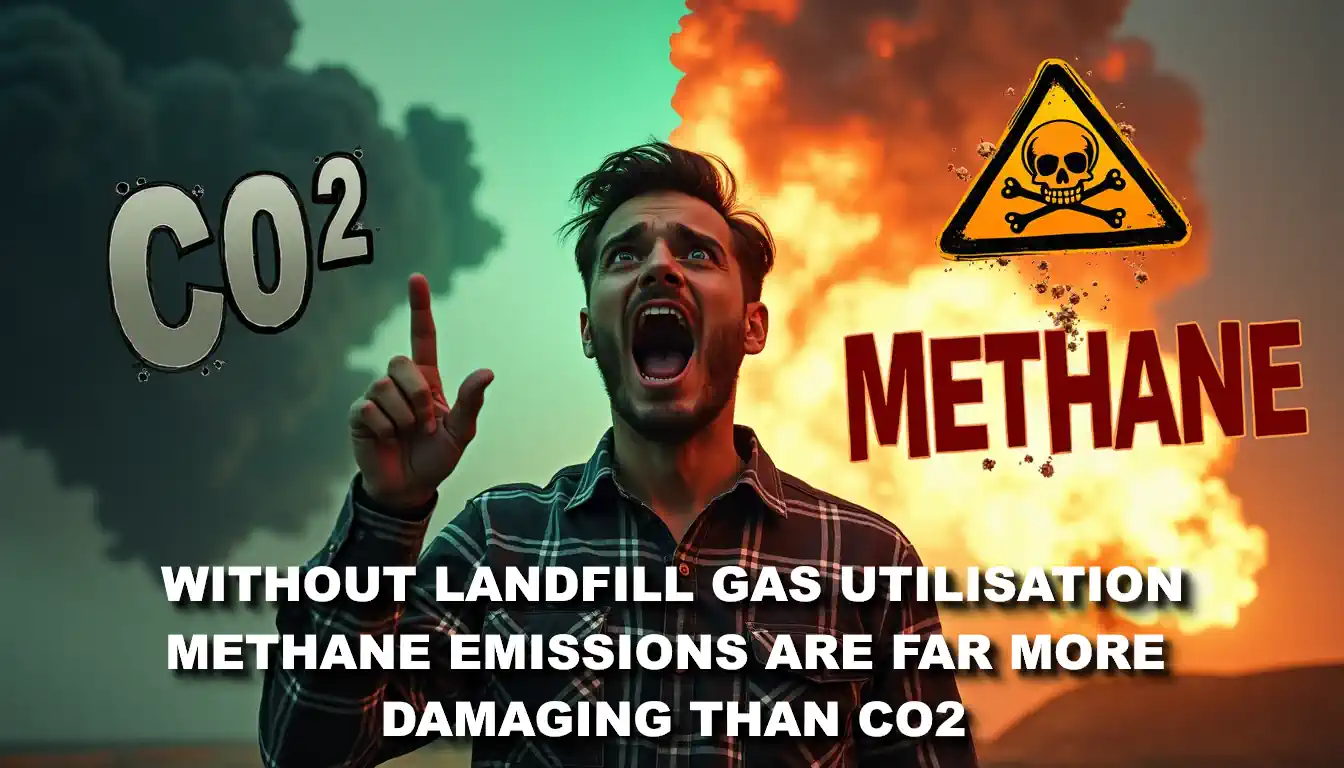
Landfill gas is produced when organic waste decomposes in landfill facilities. Over time, as food scraps, yard waste, paper, and other biodegradable materials break down, they produce gases made of carbon dioxide and methane. These gases can be harmful if released into the atmosphere.
However, the good news is that it doesn’t have to be released into the atmosphere. Many modern landfills have gas recovery systems that capture landfill gas and convert it into usable energy. This energy can be used for:
- Renewable natural gas pipelines
- Fuel for vehicles
- Heating industrial facilities
- Electricity generation
As a result, landfill gas goes from being a harmful environmental product to a valuable energy resource.
How Are Landfill Gases Captured?
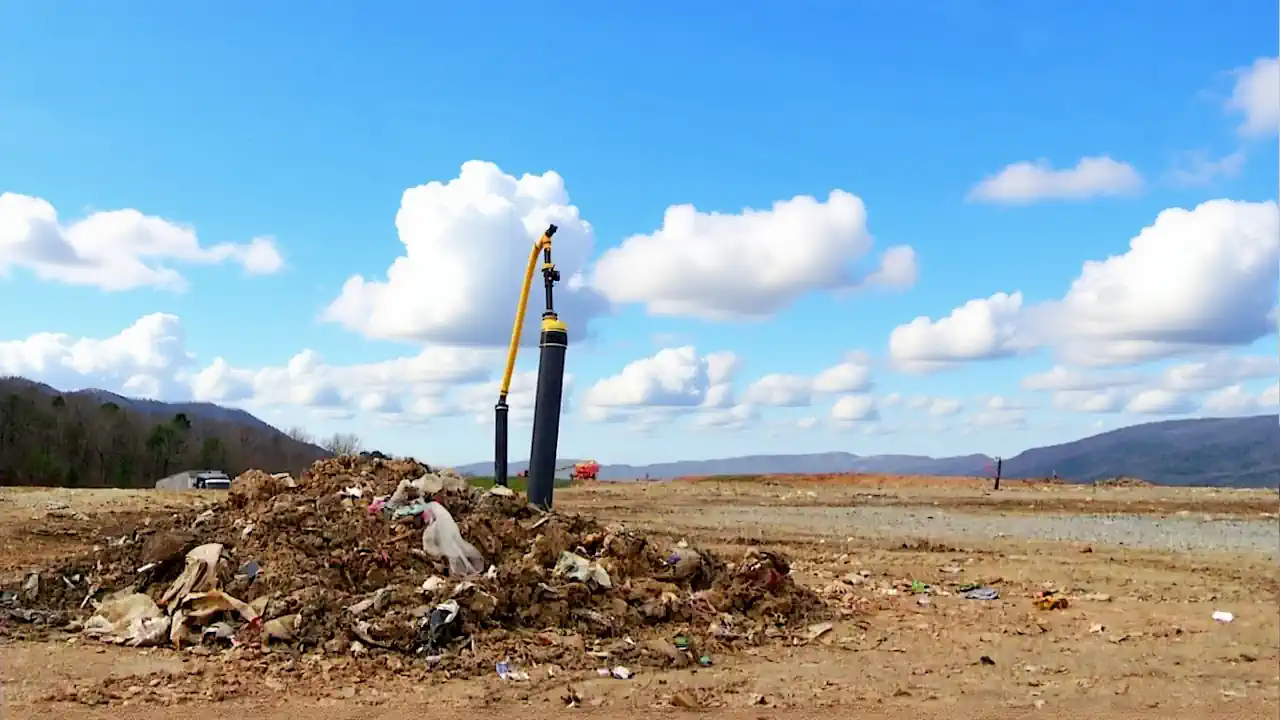
Landfill gases are captured by drilling vertical and horizontal wells into a waste mass to create a network of perforated pipes. A vacuum system sucks up the naturally produced gases from the trash and routes them to a facility for filtration to remove moisture, sulfur, and siloxanes.
If the facility doesn’t process gas, it’s burned in a flare stack to turn the methane into less harmful carbon dioxide. Otherwise, the methane can be refined to pipeline-quality standards and injected into natural gas distribution networks for vehicle fuel and home heating.
Alongside reducing greenhouse gas emissions and producing renewable energies, this process also reduces odours at landfill sites and improves the air quality.
How Does Landfill Gas Reduce Environmental Waste?
Instead of venting methane into the atmosphere, landfill gas is captured and converted into renewable energy. It reduces environmental waste in a number of ways:
Prevents Harmful Emissions
Methane is the main contributor to ground-level ozone, which is a greenhouse gas and hazardous air pollutant. Capturing it can help reduce gas emissions and mitigate environmental impacts.
Turns Waste Into Energy
We can reduce our dependence on fossil fuels by converting decomposing waste into renewable energy.
Supports Circular Sustainability
A circular economy refers to ways we can keep materials in use for as long as possible through sharing, reusing, recycling, and other methods. While organic waste is in a landfill, we can support the circular economy by investing in comprehensive landfill gas systems that convert it into a reusable resource.
Improves Landfill Management
Landfills will never smell pleasant or be the most inviting places to be. However, modern landfill gas management and collection systems may help our landfills operate more efficiently and safely while reducing odours and environmental hazards.
Water Softeners and Landfill Gas: The Common Ground
Water softeners and landfill gas function differently, but they share several principles grounded in sustainability.
Resource Efficiency
Both landfill gas systems and water softeners aim to maximize the efficiency of existing resources. For example, water softeners help households use their water, energy, and appliances more effectively, and landfill gas systems recover energy from materials that would otherwise be wasted.
Waste Reduction
While water softeners and landfill gas systems use different mechanisms, their outcomes in reducing waste are the same. Water softeners prevent physical goods from being discarded by protecting them from scale buildup, while landfill gas captures methane from rotting materials, turning it from a polluting liability into a renewable energy resource.
Long-term Environmental Impact
While there are undoubtedly short-term gains from capturing landfill gas and installing water softeners, there can also be long-term positive environmental impacts. A properly maintained water softener may prevent years of unnecessary appliance replacement, while landfill gas systems can use the captured emissions to power communities.
Home water softeners and landfill gas systems may be two vastly different things, but they are connected through their shared role in sustainability. Choosing high-efficiency water softeners, maintaining your plumbing system, reducing your household waste, and supporting renewable energy initiatives like landfill gas recovery may be more impactful than you think.