
Landfill Methane Emissions: Why Capturing This Gas Is the Most Cost-Effective Climate Action Available
Landfills are a major source of anthropogenic methane (CH4) emissions, a potent greenhouse gas ~80 times more warming than carbon dioxide (CO2) over 20 years. With global waste heading towards 3.8 billion tonnes by 2050, the methane silently escaping from the world’s landfills has become one of the most critical — and most neglected — […]
Landfill Gas PFAS: The Overlooked Air Emissions Risk at Modern Landfills
Landfill Gas PFAS are an emerging concern at least as serious as PFAS in leachate. U.S. landfills release approximately 836 kilograms of per- and polyfluoroalkyl substances (PFAS) into the atmosphere every year through landfill gas emissions alone. 2 This figure, drawn from research sampling 30 municipal solid waste landfills across 17 states, directly matches the […]
UK Landfill Gas Health & Safety Considerations
Landfill gas (LFG) operations in the UK demand strict safety protocols to mitigate explosion, asphyxiation, and toxicity risks. Compliance with DSEAR and other regulations ensures protection against hazardous gas emissions, safeguarding worker health and surrounding communities from chronic respiratory conditions linked to volatile organic compounds…
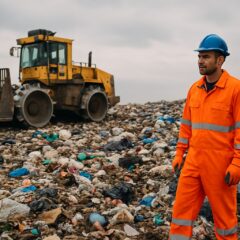
Landfills and Methane Gas – Solutions and Environmental Impact
Methane from landfills is 80 times stronger than CO2 over 20 years, making it a pressing climate issue. With landfills being the third-largest methane source in the U.S., strategies like landfill gas-to-energy and organic waste diversion are crucial for impactful change. Explore these solutions and their potential…
Methane Gas Capture: UK Methane Subsidy Cuts Threaten Climate Goals
Right now, landfill methane gas capture sites quietly power approximately 1 million homes with clean and reliable electricity. The Renewables Obligation scheme funds these operations, but it expires in March 2027. Without fresh government support, 87 per cent of landfill methane capture sites would shut down immediately. This closure would eliminate a renewable energy source […]
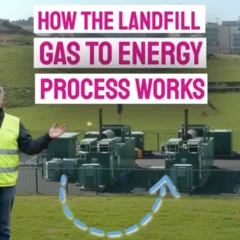
How the Landfill Gas to Energy Process Works
For those that ever wondered how the landfill gas to energy process (also known as LFGTE) works? This article takes you through how waste management companies convert naturally occurring landfill gas into clean, renewable energy at their LFGTE facilities. Every day, millions of tonnes of rubbish end up in landfills across the United Kingdom. This […]
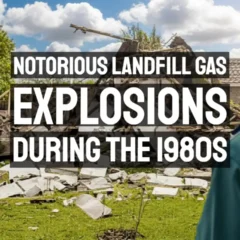
Notorious Landfill Gas Explosions During the 1980s in the UK and the US
Landfill gas explosions taught the UK waste management industry the very real dangers of methane gas through hard experience. The industry learned from a series of accidents, some of which are described below, plus a disaster in the water industry. That disaster was the Abbeystead Disaster, which was caused by a methane explosion in a […]
Optimizing Biogas Collection in Modern Landfills
Optimizing biogas collection in modern landfills enhances energy recovery and reduces emissions through advanced engineering. According to the American Biogas Council (ABC), as of August 2025, the U.S. has 589 landfill biogas facilities in operation nationwide — an 18.5% increase since 2020 — with a total capture capacity of 521 billion cubic feet (Bcf) annually, […]
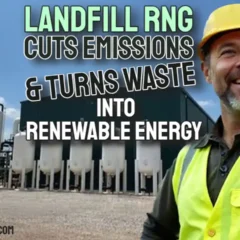
Landfill RNG Cuts Emissions And Turns Waste Into Renewable Energy
Landfill Renewable Natural Gas (RNG) is a sustainable fuel produced by capturing the methane in landfill gas—a potent greenhouse gas—from decomposing organic waste in landfills, which is then purified and upgraded to pipeline-quality standards Transforming your facility’s waste into a highly profitable energy commodity is now a straightforward reality. Landfill RNG projects have grown from […]
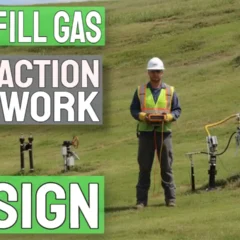
The Design of Landfill Gas Extraction Pipework
Modern UK landfill sites capture over 80% of the early methane when properly designed, but achieving that performance depends on your pipework strategy. 2 Your gas extraction infrastructure must balance steady methane flow with condensate drainage. Miss this balance, and water build-up blocks your system, forcing expensive repairs and releasing greenhouse gas emissions straight into […]
