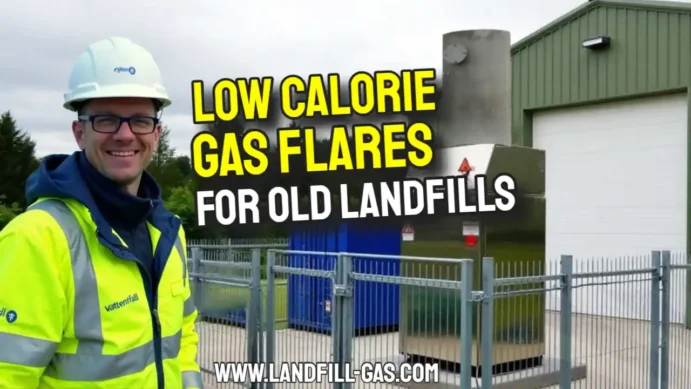
A low-calorie gas flare (Lo-Cal flare) is a specialised system for safely burning landfill gas with low methane content (e.g., 11-30% CH4) or low flow rates, common in older landfills. They provide high-temperature contained combustion (over 1,000°C) to ensure efficient destruction and meet strict emissions standards without needing extra fuel.
These flares handle declining gas volumes from closed sites, preventing uncontrolled gas migration and odor, and often feature remote monitoring and energy efficiency.
Key Points About Low-Calorie Gas Flares for Low Methane Content Gassing Landfills
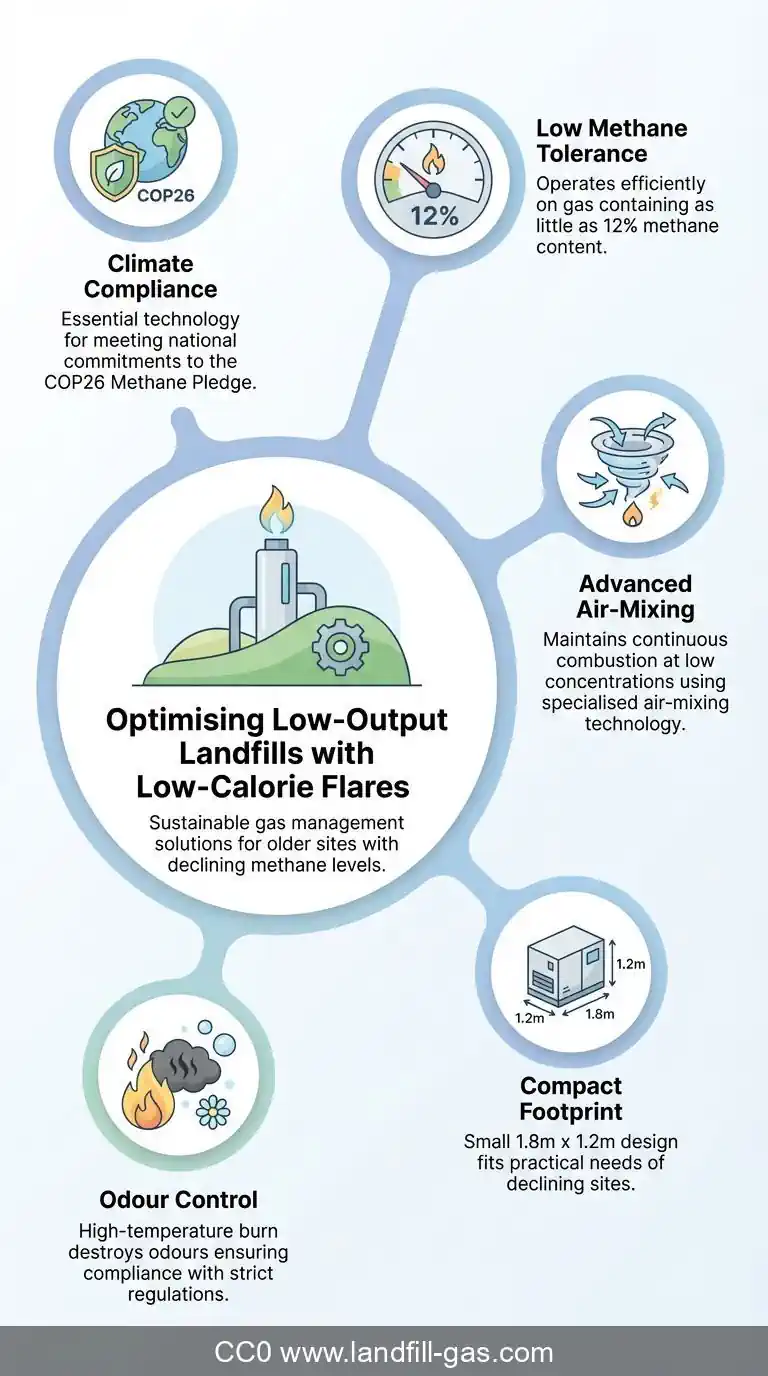
- Low-calorie gas flares that have contained flumes and hold the flame at a required minimum temperature for consistent odour destruction are an effective solution for reducing methane emissions from old landfills with gas containing as little as 12% methane content
- These unique flares use air-mixing technology to keep the combustion going, even with a low methane concentration, reducing the impact of greenhouse gases
- With a compact design and small footprint (usually no more than 1.8m x 1.2m), these systems are a practical solution for sites with declining gas production
- Landfill Systems’ LC range offers a complete solution for sustainable gas management at sites where traditional flares are no longer effective
- Proper use of low-calorie flares can greatly reduce odour problems while helping landfill operators meet regulatory requirements
The Need for Specialised Gas Management Solutions in Ageing Landfills
Managing gas emissions from ageing landfills presents unique challenges that conventional flare systems simply cannot handle. As landfills age, their methane production naturally decreases, but these sites continue to generate significant emissions that need to be properly managed. The decreasing methane concentration makes traditional flares ineffective, as they usually require higher caloric values to keep the combustion stable.
Even though older or less active landfills may not produce a large volume of organic waste, they can still generate enough landfill gas to cause environmental damage, unpleasant smells, and safety risks. If these emissions are not properly managed, they can contribute to the greenhouse effect and cause the landfill to violate environmental regulations. As the gas produced by these landfills changes in composition and flow rate, it becomes necessary to develop specialised solutions to deal with these new conditions.
Gas flares designed for low-calorie gases are a major step forward in technology for these particular situations. They’re built from scratch to meet the unique needs of old landfills that ceased operation long ago or have naturally low organic content. These systems can effectively manage gases with methane concentrations as low as 12%, providing ongoing environmental protection even as the quality of the gas decreases over the lifecycle of a site.
How Low-Calorie Gas Flares Stand Out From Regular Flares
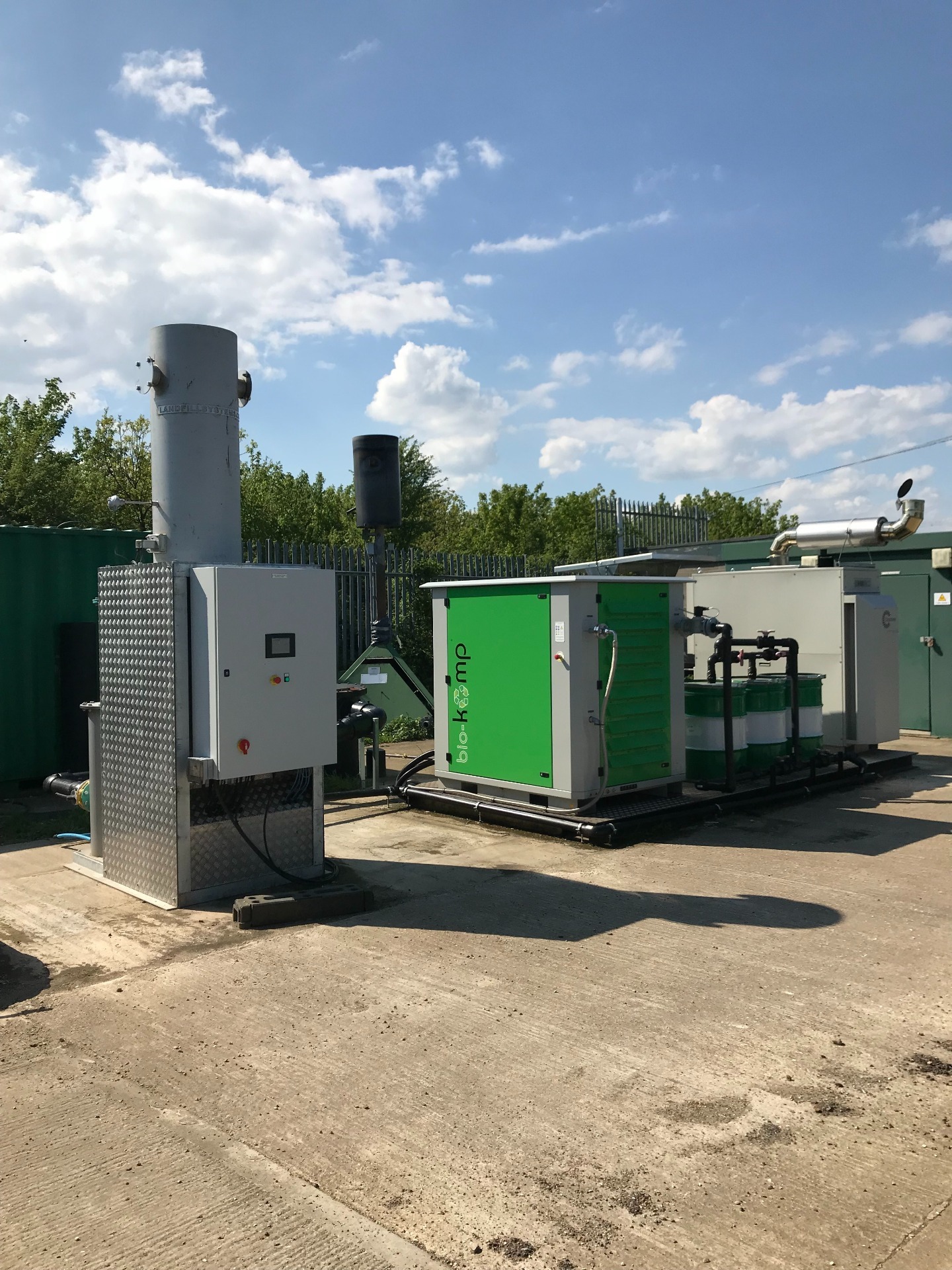
“Low Calorie Range” from www.landfillsystems.co.uk and used with no modifications.
Regular contained flume flares are designed for landfills during their peak production years, usually needing methane concentrations of 25-50% to keep effective burning. On the other hand, low-calorie flares use specialised technology that essentially alters the burning process to handle much leaner gas mixtures. The main difference is their capacity to pre-mix air with the incoming landfill gas, making ideal conditions for continuous burning even when methane levels are much lower than what traditional systems need.
These systems are the result of years of targeted development aimed at addressing the unique issues of managing older landfills. Unlike traditional non-contained flares, which can have issues with flame stability at lower methane levels, low-calorie flares are able to maintain high-temperature combustion (over 900°C) by precisely controlling the ratio of air to gas. This technological solution not only guarantees that the system will continue to operate as the quality of the gas decreases, but also ensures the efficient destruction of methane and volatile organic compounds.
How they work with methane content as low as 12%
Low calorie flares are able to work with methane content as low as 12% due to their advanced air mixing and combustion control systems. These flares have specially designed mixing chambers that mix atmospheric air with incoming landfill gas in exact proportions. This pre-mixing allows for an optimal combustible mixture even when the raw gas would normally be too lean to support a stable flame. For more information on the composition of landfill gas, you can explore landfill gas composition analysis.
The system uses temperature sensors and automated control systems to constantly keep an eye on the conditions of combustion. It then makes adjustments in real-time to make sure it is always performing optimally. This system can adapt to changes in the composition of the gas, which ensures it will always operate consistently. This is true even when the content of methane changes during daily and seasonal cycles. This advanced monitoring also gives operators valuable data on the trends in the quality of the gas. This can help them predict what they will need to manage in the future.
Performance is also boosted by the design of the combustion chamber, which includes features such as optimized burner configurations and flame retention zones. These design elements create the perfect conditions for complete combustion, and also protect against the flame going out when the gas flow varies. The end result is a system that can effectively destroy methane emissions from landfills long after conventional flares have stopped working.
Importance of Compact Design
Low calorie gas flares are a space-saving solution for landfill operations due to their compact size. They usually measure only 1.8m x 1.2m and are only 3.6m high, which means they take up much less space than traditional flare installations. This makes them ideal for sites with limited space or where it is important to reduce the visual impact. Their compact design also makes them easier to transport and install, which can reduce the complexity and cost of installation.
Even though they are smaller, these flares have all the necessary monitoring and safety features included in their design. They have temperature sensors, flame detection systems, and automatic shutdown capabilities, which ensure they can be operated safely without needing a lot of external control infrastructure. The layout is simplified and gets rid of unnecessary “clutter” that is often associated with traditional flare systems. This makes for a cleaner, easier-to-manage installation that still performs exceptionally well.
Advanced Air Mixing Systems for Effective Burning
The key to low calorie flare technology is its advanced air mixing systems. These systems create the perfect conditions for combustion, even with lean gas. They accurately mix atmospheric air into the gas stream in carefully controlled ratios. This allows for stable burning with methane concentrations much lower than what traditional flares can handle. Advanced flow controllers continuously adjust this mixture. They do this based on real-time monitoring of gas composition and combustion parameters. This ensures optimal performance, even when input conditions fluctuate.
Being able to mix air is a huge step forward from conventional flare designs, which usually depend on the gas’s inherent energy content to maintain combustion. Low calorie flares, which supplement the gas’s natural calorific value with precisely controlled air injection, create a stable, high-temperature combustion zone even when methane percentages fall to as low as 12%. This technology effectively extends the operational lifespan of landfill gas management systems by years or even decades beyond what would be possible with traditional equipment.
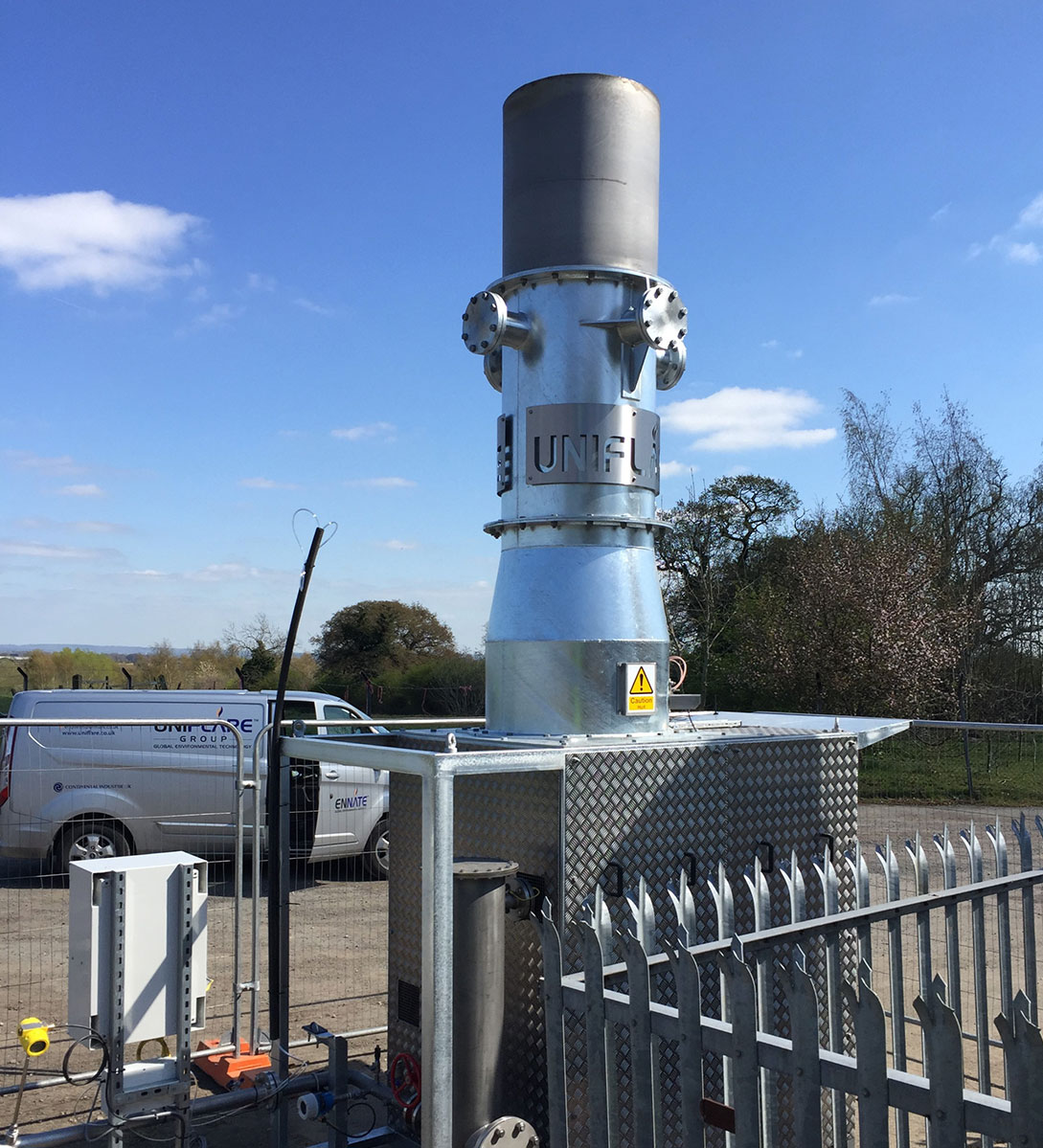
“Lean Gas Low Calorific Flare – Uniflare …” from www.uniflare.co.uk and used with no modifications.
5 Major Advantages of Using Low Calorie Flares
Switching to low calorie flare technology provides several benefits for landfill operators who are dealing with decreasing gas quality. Not only do these systems help maintain regulatory compliance, but they also offer significant environmental benefits, operational enhancements, and possible cost reductions. Knowing these advantages allows operators to make educated choices about updating old gas management infrastructure to meet both present requirements and future obstacles. For those assessing when to install these systems, assessing readiness for gas flares is crucial.
1. Drastic Decrease in Greenhouse Gas Emissions
Low calorie flares make a significant dent in greenhouse gas emissions by continuing to effectively eliminate methane long after traditional systems would have stopped working. Given that the global warming potential of methane is roughly 25 times that of carbon dioxide over a century, maintaining efficient destruction during a landfill’s declining gas phase avoids a substantial impact on the climate. These specialised flares usually achieve destruction rates of over 98%, even with difficult low-methane input, transforming this powerful greenhouse gas into carbon dioxide and water vapour. For more information on this topic, you can explore UK landfill gas emissions control.
Not only do these flares help to destroy methane, but they also reduce the emission of volatile organic compounds (VOCs) and other odorous compounds that can negatively impact local air quality. These contained flume systems maintain high-temperature combustion above 900°C, effectively breaking down complex organic molecules that might otherwise contribute to air pollution. For landfill operators who are committed to environmental stewardship, these flares offer a practical way to significantly reduce the climate impact of their site throughout its entire lifecycle. For more information on effective strategies, explore best practices in odour control.
2. Economical Solution for Fading Landfill Gas Sites
Low calorie flares shine in their affordability, especially when compared to other methods for handling diminishing landfill gas. Traditional systems may need to be completely replaced once methane levels fall below their operational threshold, which can be a major expense. In contrast, low calorie flares are a more focused solution specifically designed for these circumstances. They can operate with very low gas flow rates (as low as 10m³/hr), allowing them to continue to protect the environment even as gas production decreases to levels that would make traditional systems ineffective.
There are also operational cost efficiencies that come about through lessened maintenance needs and simplified monitoring. The specialized design elements minimize common failure points found in conventional systems that are trying to operate outside their intended range. For landfill operators who are managing multiple sites at different lifecycle stages, these flares provide a cost-effective solution for extending environmental protection at ageing facilities without unnecessary expense. Effective gas monitoring at landfills is crucial in maintaining these efficiencies.
3. Easy Installation and Low Maintenance
Low calorie gas flares are easier to install than traditional systems. They usually come as pre-assembled, skid-mounted units that can be connected to existing gas collection infrastructure. This makes installation quick and easy, with minimal disruption to the site. Most units can be up and running within days, rather than the weeks it often takes to construct a conventional flare. This means that the environmental benefits and compliance assurance can be realised immediately.
4. Future-Ready Design that Adjusts to Evolving Gas Conditions
Modern low calorie flares are adaptive, which is one of their most useful features for long-term landfill management. These systems have a wide operational range that automatically adjusts to gradually declining methane concentrations and flow rates as a landfill ages. Advanced control systems continuously optimise combustion parameters based on real-time gas quality measurements, ensuring consistent performance despite the natural variability in landfill gas production. This adaptability eliminates the need for frequent system replacements or major modifications as gas conditions evolve, providing a truly future-ready solution for the entire declining phase of landfill gas management.
5. Simplifying Regulatory Compliance
Low calorie flare technology makes it significantly easier to meet the ever-tightening environmental regulations. These systems usually feature comprehensive data logging and reporting capabilities that automatically monitor destruction efficiency, emissions levels, and operational parameters necessary for regulatory agencies. The steady high-temperature combustion guarantees reliable compliance with destruction efficiency requirements even when gas quality decreases, removing the compliance issues often encountered with traditional flares that have difficulty dealing with lean gas mixtures. For operators dealing with multiple regulatory frameworks in various jurisdictions, these features offer invaluable reassurance and streamline reporting processes.
Many regulatory bodies now specifically acknowledge the technology of low-calorie flares as the best available technology (BAT) for old landfills, which could potentially make the permitting processes more streamlined. The documented environmental benefits of maintaining effective gas destruction throughout the lifecycle of a site align perfectly with the regulatory goals of minimizing lifetime emissions. This recognition often leads to smoother interactions with regulatory authorities and lessens the burden of compliance management for operators.
These systems are highly beneficial for landfill operators who are trying to navigate through complex compliance landscapes, due to their reliable performance data, consistent emissions control, and alignment with regulatory expectations. The investment in appropriate technology for declining gas phases not only shows a commitment to the environment, but also provides practical operational benefits.
Essential Technical Considerations for Installing Low Calorie Flares
Properly introducing low calorie flare technology into a landfill requires a thorough understanding of the system’s technical specifications and the conditions of the site. Although these systems are more flexible than traditional flares, they still have unique operational parameters that must be met for the best performance. Knowing these requirements can help landfill operators decide if this technology is the right fit for their specific situation and prepare for installation accordingly.
Required Minimum Gas Flow Rates
Typically, low calorie flares need a minimum gas flow rate of around 10m³/hr to maintain stable combustion. This can change slightly depending on the manufacturer and model. This requirement is a significant improvement over traditional flares, which often need much higher flow rates to work effectively. The ability to operate with such low gas production extends the useful life of gas management systems by years or even decades. This is especially true for smaller landfills or those with less organic waste content.
General Operating Conditions for Low Calorie Flares
Lowest methane concentration: 12%
Highest methane concentration: Up to 100%
Lowest gas flow rate: 10m³/hr
Usual destruction efficiency: >98%
Combustion temperature: >900°C
Operators must conduct thorough gas testing to evaluate a site’s suitability, to determine current methane concentrations and flow rates and to project future production by analyzing trends. Landfills that still produce gas with a methane content of at least 12-15% and flow rates above the lowest limit are the best candidates for this technology. Those nearing these lower limits should think about proactively implementing low calorie flares before conventional systems begin to struggle with declining gas quality.
It’s worth mentioning that these systems are designed to cope with a wide range of flow rates and methane concentrations, which makes them a good choice for sites where gas production is not consistent. The automatic control systems constantly alter the air mixing ratios to ensure the combustion is always at its most effective, no matter how much the input conditions change. This level of adaptability is a big plus for landfills that have to deal with seasonal changes or inconsistent gas production.
Another crucial technical aspect to consider is the correct sizing of the flare capacity in relation to the anticipated gas production. Although these systems are effective at handling low flows, choosing a unit with the right capacity for both the current and predicted future gas production guarantees the best performance throughout the lifespan of the installation. Manufacturers usually provide a variety of models with different capacity ranges to meet the specific requirements of the site.
Getting the Site Ready
When getting a landfill site ready for low calorie flare installation, there are several important factors to keep in mind to ensure the best performance and to make sure it meets all regulations. One of the most basic needs is access to reliable electrical power. This is because these systems rely on electronic controls and monitoring equipment to operate safely. Most units need standard three-phase power connections, but the specific voltage and amperage requirements can vary depending on the manufacturer. If a site doesn’t already have electrical infrastructure, it may need to have the appropriate service installed before the flare can be deployed. For more information on landfill management, you can visit Afvalzorg’s landfill management page.
Things to Consider When Preparing the Site
✓ Is there enough electrical power?
✓ Is there a level concrete pad (usually at least 2m x 1.5m)?
✓ Is there a condensate management system?
✓ Is the gas collection piping compatible?
✓ Is there clear access for maintenance equipment?
✓ Is there weather protection in extreme climates?
Typical physical preparations for the site include pouring a level concrete pad to support the flare unit and the equipment that comes with it. Even though the compact footprint takes up minimal space, making sure that the mounting is level and stable prevents operational problems and makes it easier to access for maintenance. The surrounding area should be clear enough for maintenance activities and meet safety requirements for minimum distances from structures, vegetation, and other potential hazards. Even though these flares burn efficiently, they still produce heat that needs to be taken into account when planning the site. For more details on ensuring safety, you can refer to biogas compression equipment safety guidelines.
When integrating with the current gas collection infrastructure, it’s important to carefully assess pipe sizes, pressure requirements, and condensate management systems. Low calorie flares usually connect to standard gas collection systems through flexible adaptation, but they may need modifications for pressure regulation or condensate removal to work at their best. To ensure the integration goes smoothly and doesn’t disrupt current operations, it’s best to consult with both the flare manufacturer and the operators of the gas collection system.
Choosing the Right Flare Size for Your Landfill
To determine the best size for a low calorie gas flare, it’s important to thoroughly analyze both the current and projected gas production at your landfill. Begin by performing extensive gas testing to establish baseline measurements for methane concentration and flow rate over several seasons. This data is crucial for understanding the variability of your gas production and predicting potential future trends as the landfill ages. Keep in mind that landfill gas production doesn’t decrease in a straight line—it often follows a logarithmic curve that can be simulated with the right software tools to anticipate future needs.
Most manufacturers provide sizing calculators or consulting services that take into account site-specific factors such as waste composition, weather conditions, and regulatory requirements in their recommendations. The perfect flare should be able to handle your current gas production efficiently while providing enough flexibility for expected declines over the next 5-10 years. Oversizing the unit significantly can result in operational inefficiencies and unnecessary costs, while undersizing can compromise performance and potentially cause compliance issues as production varies. For most older sites, a modular approach that allows for possible expansion or reconfiguration provides the best balance of current efficiency and future adaptability. For more information on landfill management, you can visit Afvalzorg’s landfill management page.
Reducing Your Landfill’s Environmental Footprint
Adopting low calorie gas flare technology is a forward-thinking way to care for the environment that goes above and beyond simply following regulations. These particular systems allow landfill operators to effectively destroy methane across their site’s entire lifespan, greatly lessening the overall impact on greenhouse gases. By continuing to manage gas efficiently even during phases of decreased production, operators show they are dedicated to being environmentally responsible and protecting nearby communities from potential smell problems and other issues with air quality.
Switching to low calorie flare technology also opens up chances for thorough optimization of landfill gas management systems. During the installation process, operators can assess and enhance collection infrastructure, monitoring systems, and operational protocols to boost overall efficiency. This all-inclusive approach often uncovers extra environmental benefits beyond improved combustion efficiency, such as decreased fugitive emissions through better collection system management or increased site safety through updated monitoring capabilities.
Landfill operators are dealing with stricter regulations and a more environmentally conscious public. Low calorie flares offer a practical example of implementing best practices. This technology is a well-established, tested solution for the unique problems of managing older landfills. It offers immediate environmental benefits and long-term operational advantages. When operators adopt these specialized systems, they significantly reduce their environmental impact. They also position their operations for sustainable, responsible management throughout the entire landfill lifecycle.
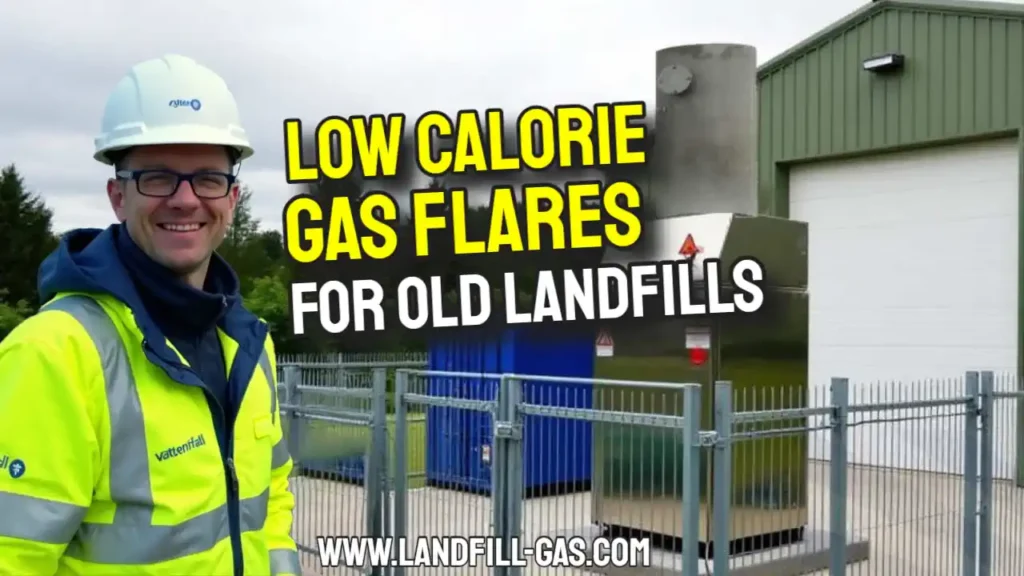
FAQs for Low-Cal Landfill Gas Flares
Low Calorie Gas Flares: Your Questions Answered
Q: What’s the lowest methane concentration they can handle?
A: They need at least 12-15% methane content
How much space do these systems take up? Usually about 1.8m x 1.2m, and they’re 3.6m high
What’s the typical destruction efficiency? Generally, they achieve more than 98% destruction efficiency
Can I move these flares around if I need to? Most types are designed to be skid-mounted, so they’re mobile
Can I monitor them remotely? Yes, most systems have remote access and alert features
If you’re a landfill operator and you’re thinking about using low calorie flare technology, you probably have a lot of questions about how to use it, how well it works, and what you need to do to keep it working over the long term. Understanding these common concerns can help decision-makers figure out whether this technology is the right fit for their particular needs.
The questions we’ve answered here are the ones that operators of older landfills with declining gas production ask most often. For more insights, you can explore when to install gas flares at your landfill site.
While the technical specifics and operational parameters can differ somewhat between manufacturers and specific models, talking with experienced suppliers during the planning phase guarantees precise information tailored to the unique needs of your site.
Most well-known manufacturers offer extensive technical support during both system selection and ongoing operation, helping operators optimise performance and tackle any site-specific challenges that come up.
More and more, environmental regulators are seeing the worth in low calorie flare technology for managing emissions from old landfills. A lot of jurisdictions are now specifically recognising these systems in their guidance documents and permitting processes, which could make getting approval for implementation easier.
Talking with regulatory authorities during the planning phase can help make sure that the chosen system will meet all necessary requirements and potentially find opportunities for faster permitting based on recognised environmental benefits. For more insights on readiness, you can explore assessing when to install gas flares.
What is the lifespan of a low calorie gas flare?
Low calorie gas flares are built to last, with a typical lifespan of 15-20 years when properly maintained. The flares are designed with stainless steel combustion chambers and corrosion-resistant components to stand up to the harsh conditions created by landfill gas.
Plus, the mechanical systems are simplified to reduce wear points compared to traditional flares. This long service life makes them a good fit for the declining phase of landfill gas management, as they can reliably perform over this long period without needing to be replaced.
With routine care, the lifespan of the equipment is substantially extended. Manufacturers usually advise checking the equipment every three months and servicing it once a year for the best results. Most systems are made up of modules, which means that when parts wear out, they can be replaced instead of overhauling the entire system.
What happens when methane levels drop below 12% in a landfill?
When methane concentrations fall below the 12% threshold typically required for low calorie flares, landfill operators must transition to alternative management approaches. At this stage, biological methane oxidation using engineered bio-covers or bio-filters often becomes the most appropriate technology.
These systems utilize methanotrophic bacteria naturally present in soil to convert methane to carbon dioxide and water as gas passes through specially designed layers. Though less efficient than combustion at higher concentrations, biological approaches provide continued mitigation for the minimal emissions produced during a landfill’s final stages, completing the comprehensive lifecycle approach to responsible gas management.
Does the government offer incentives for installing low calorie gas flares?
Depending on your location, you may be eligible for a variety of government incentives for installing low calorie flares. In the United States, landfill gas projects can qualify for Renewable Energy Certificates (RECs) if they incorporate heat recovery. Some states also offer specific grants or tax incentives for methane mitigation technologies. In Europe, operators often receive funding through climate mitigation programs. These programs recognise the substantial greenhouse gas reductions these systems provide, especially when they replace less effective traditional flares at older sites.
Another potential source of incentives is carbon offset markets. The methane destruction that these systems can verify can generate valuable carbon credits under the right protocols. Many operators have successfully registered their flare installations as carbon offset projects. They document the additional methane destruction compared to the regulatory minimums or previous management methods. For more information on effective gas management, explore gas monitoring at landfills.
There are times when local air quality districts offer funding for specific technologies that reduce landfill gas-related VOCs and odorous compounds. They understand that these systems offer benefits to the community that go beyond reducing greenhouse gases. These programs often focus on environmental justice considerations and offer increased incentives for improvements at facilities that impact sensitive populations. For more information on effective practices, check out best practices in odour control using landfill gas extraction systems.
For those operators who are interested in pursuing incentive opportunities, the first step is usually to consult with regional environmental authorities or specialised environmental finance consultants. These experts can help to identify the programs that are applicable, assist with the assessment of qualifications, and guide the process of application to maximise potential benefits.
- Federal renewable energy and emissions reduction programs
- State and regional air quality improvement grants
- Carbon offset registry programs for verified methane destruction
- Local environmental improvement incentives
- Utility company partnerships for potential heat recovery applications
How does the installation process compare to traditional flare systems?
The process of getting low calorie flares up and running is usually quite simple, with the main focus being on setting up the control system and getting the combustion process optimised, rather than having to deal with complex structural and mechanical testing.
The manufacturers of these systems often provide full support during the commissioning process, with their technicians coming to the site to make sure everything is working as it should be and to train the site staff on how to monitor the system correctly.
This ensures that the system is working at its best right from the start and that the site staff have the knowledge they need to manage the system going forward.
Low calorie flares are designed to easily connect to existing gas collection infrastructure, usually requiring only small changes. These might include adjustments to pressure regulation or enhancements to condensate management to meet the specific needs of these specialised systems. Manufacturers often provide detailed specifications and technical support to ensure the flares can be integrated without interrupting existing collection operations.